
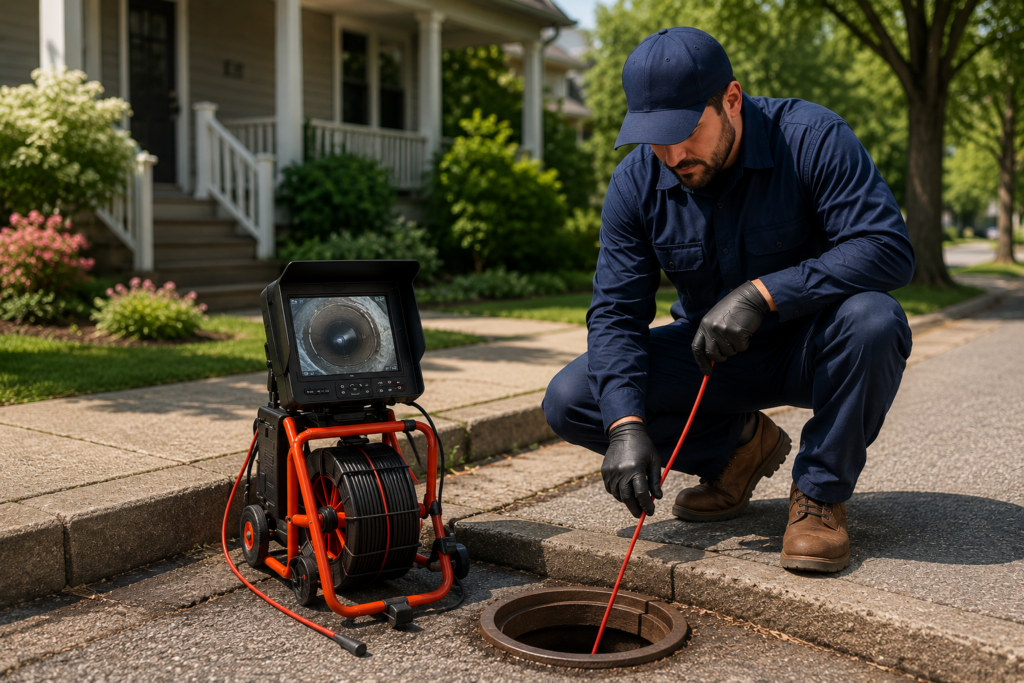
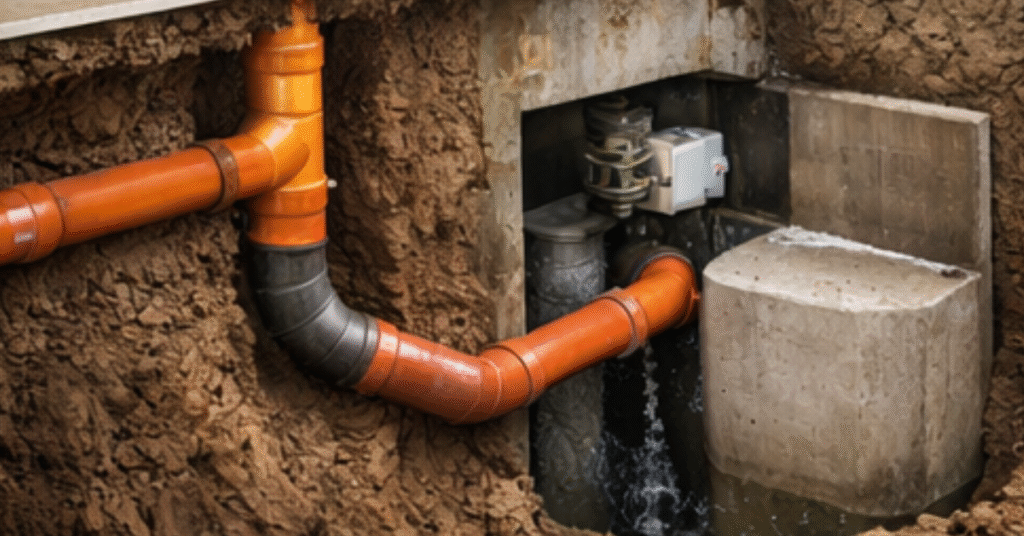
Low water pressure in your West Linn home can be frustrating—whether it’s a trickle in the shower or a slow-filling washing machine. This seemingly small issue could point to deeper plumbing problems. In this guide, we’ll explore why water pressure drops, how to identify the cause, and how to fix it, so you can restore proper water flow and protect your plumbing system long-term.
🚿 Common Causes of Low Water Pressure in West Linn
There are a variety of factors that can contribute to reduced water pressure in homes across West Linn. Here are the most common:
1. Old or Corroded Pipes
Many homes in West Linn were built decades ago and may still rely on galvanized steel pipes. Over time, these pipes corrode internally, restricting water flow.
⚠️ Tip: Corroded pipes may also affect water color and taste. If your water looks rusty or smells metallic, it’s time to inspect your plumbing.
2. Partially Closed Shut-Off Valves
Sometimes, a shut-off valve is not fully opened after repairs, restricting pressure throughout the house.
3. Clogged Faucet Aerators or Showerheads
Mineral deposits from Oregon’s water supply—especially in homes with hard water—can clog aerators and showerheads, reducing flow at specific fixtures.
4. Leaking or Broken Pipes
Hidden leaks reduce water pressure significantly and can cause costly water damage if not addressed early.
5. Faulty Pressure Regulator
Homes with pressure regulators may experience sudden drops in pressure if the regulator malfunctions.
6. Municipal Water Supply Issues
Sometimes, the issue isn’t your plumbing. The City of West Linn’s water supply system may undergo maintenance or experience temporary drops in pressure.
🔍 How to Diagnose Low Water Pressure
Step 1: Check Multiple Fixtures
Is the issue isolated to one sink or shower? If yes, the fixture may be clogged. If pressure is low throughout your home, the problem is likely within the plumbing system.
Step 2: Inspect the Main Shut-Off Valve
Make sure the main valve is fully open. It’s typically located near your water meter or where the main line enters your home.
Step 3: Use a Pressure Gauge
Install a water pressure gauge on an outdoor spigot. Ideal home water pressure ranges between 40–60 PSI. Anything below 40 PSI may indicate a systemic issue.
Step 4: Look for Signs of Leaks
Inspect ceilings, basements, and under sinks for damp spots, mildew, or unexpected water usage spikes.
🛠️ How to Fix Low Water Pressure in Your West Linn Home
✅ Clean or Replace Aerators and Showerheads
Remove build-up using vinegar or replace old fixtures with WaterSense-labeled models.
Source: EPA WaterSense Product Finder
✅ Replace Old Pipes
If your plumbing uses outdated galvanized pipes, consider repiping with PEX or copper to improve flow and water quality.
Need help replacing your old plumbing? Einstein Pros in West Linn offers repiping services with minimal disruption.
✅ Adjust or Replace the Pressure Regulator
If your pressure is too low or too high, a plumber can test and replace the pressure regulator if needed.
✅ Repair Hidden Leaks
Leaks not only reduce pressure but can lead to mold and structural damage. A professional plumber can run a leak detection test to locate hidden issues.
✅ Install a Booster Pump
In some cases—especially for homes on a hill or far from the main line—a water pressure booster pump may be the best solution.
💡 Preventative Tips for Consistent Water Pressure
- Schedule annual plumbing inspections to catch corrosion or leaks early.
- Install whole-home water filters to reduce sediment buildup.
- Keep an eye on your monthly water bill for unexpected spikes.
- Choose WaterSense-labeled fixtures to optimize efficiency and flow.
🧠 Trust Einstein Pros – West Linn’s Trusted Plumbing Experts
At Einstein Pros West Linn, we’ve helped countless homeowners resolve water pressure issues—quickly, affordably, and with care. Whether it’s a simple valve adjustment or a full pipe replacement, our licensed plumbers are just a call away.
📞 Need a pressure test or inspection? Contact us today for same-day service or to schedule an appointment at your convenience.
Sources:
Portland Water Bureau
HUD.gov – Pipe Material Warnings
HomeAdvisor Plumbing Cost Guide (2025)