
When Portland’s temperatures drop below freezing, the risk of frozen pipes increases dramatically for local homeowners. Not only can frozen pipes disrupt your water supply, but they can also burst and cause thousands of dollars in water damage.
Luckily, there are simple steps you can take to prevent this seasonal disaster. At Einstein Pros, we help homeowners prepare for Oregon’s unique climate with practical plumbing solutions tailored to the Pacific Northwest.
Let’s dive into how you can protect your home from frozen pipes before winter hits.
Why Frozen Pipes Are a Serious Problem in Portland
Portland doesn’t experience the deep freezes of the Midwest, but overnight temperatures often dip below freezing, especially in January and February. Pipes located in uninsulated areas like basements, crawl spaces, attics, garages, and exterior walls are most vulnerable.
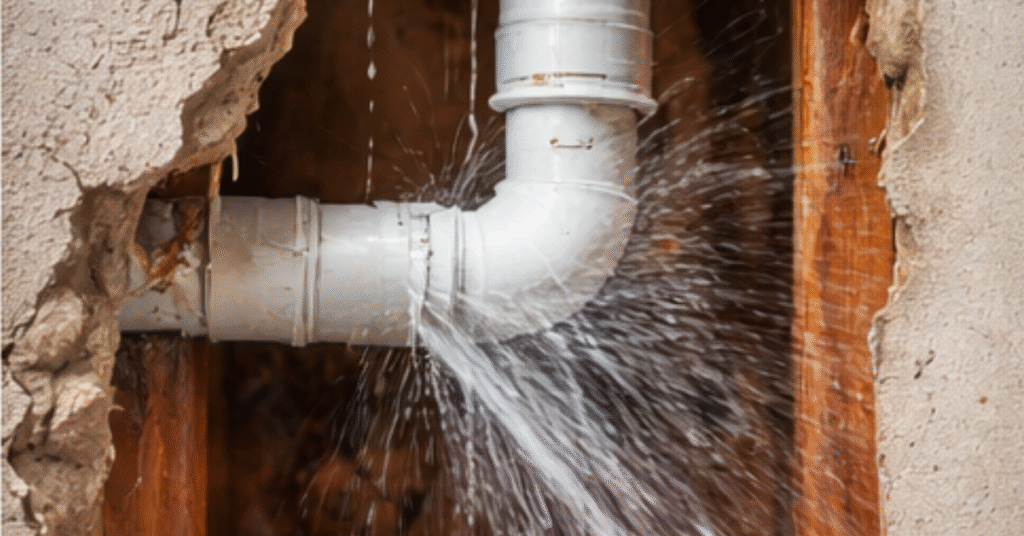
When water freezes, it expands—putting pressure on the walls of your pipes and often leading to cracks or full bursts. Repairing water damage from burst pipes can cost $5,000 or more according to HomeAdvisor.
1. Insulate Exposed Pipes
The first line of defense is insulating pipes in vulnerable areas. Use foam pipe insulation, available at most hardware stores, to cover pipes in:
- Unheated basements
- Attics and crawl spaces
- Exterior walls
- Garages and utility rooms
For especially cold spots, consider heat tape or pipe heating cables. The U.S. Department of Energy recommends using these products with a thermostat-controlled switch to save energy and prevent overheating.
2. Seal Drafts Around Pipes
Gaps or cracks around piping where it enters your home can let in cold air. Use caulking or expanding spray foam to seal any drafts. Focus on:
- Pipe entry points in walls
- Foundation gaps
- Basement windows and vents
Reducing cold air infiltration keeps both your pipes and your energy bills in check. According to Energy.gov, sealing leaks can cut your energy costs by up to 20%.
3. Let Faucets Drip During Cold Snaps
Letting a faucet drip slowly—especially one connected to pipes on exterior walls—can prevent water from freezing. Moving water is less likely to freeze.
Do this with:
- Bathroom sinks near outside walls
- Kitchen sinks near drafty windows
- Outdoor spigots (if still connected)
This is a simple way to relieve pressure in the system and reduce the risk of a burst pipe.
4. Open Cabinet Doors
During very cold nights, open kitchen and bathroom cabinet doors to allow warm air to circulate around plumbing. This is especially important for:
- Pipes under sinks
- Pipes near exterior walls
Keeping the heat flowing in these spaces can make all the difference when temperatures plummet.
5. Disconnect Outdoor Hoses
Before the first freeze, always:
- Disconnect and drain garden hoses
- Shut off water to outdoor spigots (if possible)
- Use insulated faucet covers
Leaving hoses connected traps water in the hose bib and pipe, which can freeze and expand into your indoor plumbing.
6. Keep Your Thermostat Consistent
Never lower your thermostat below 55°F, even if you’re leaving town. Maintaining a consistent temperature prevents the water in pipes from freezing—especially in older Portland homes with less insulation.
Smart thermostats like the Nest or ecobee can help regulate this automatically and provide freeze alerts while you’re away.
7. Know Where Your Main Shutoff Valve Is
If a pipe does freeze and burst, the first step is to shut off your home’s main water valve to prevent further flooding. Make sure everyone in your household knows where it is—typically located:
- In the basement
- Near the water meter
- In crawl spaces
Once shut off, contact a licensed professional like Einstein Pros Plumbing in Portland for safe, fast repairs.
8. Consider a Plumbing Inspection Before Winter
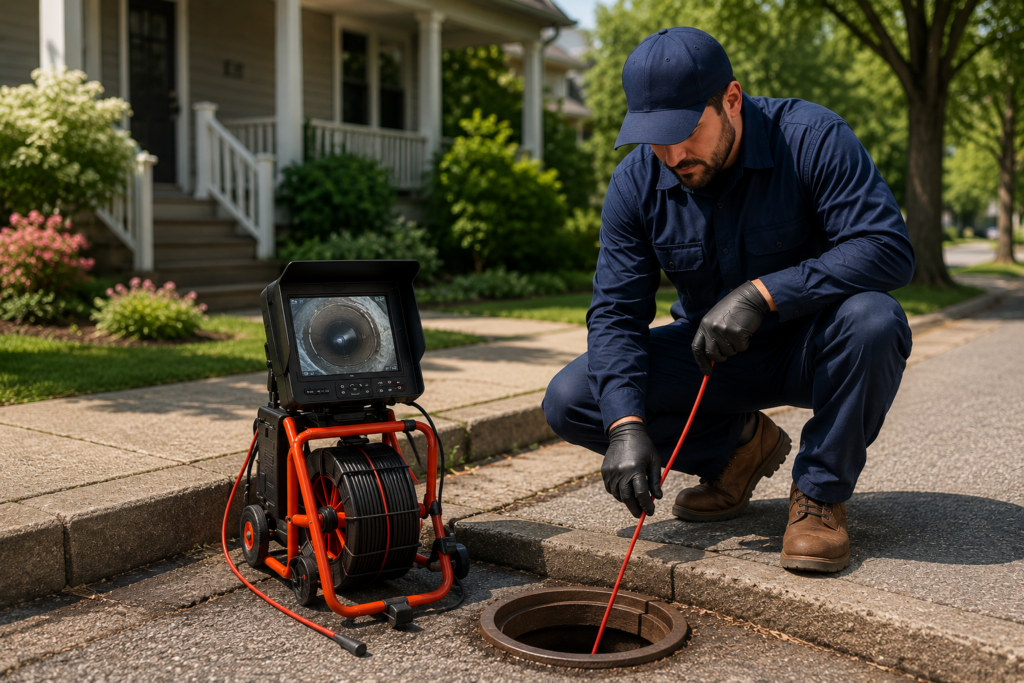
Not sure if your pipes are ready for winter? Schedule a plumbing inspection. At Einstein Pros, we offer comprehensive winter prep services including:
- Pipe insulation assessment
- Leak detection
- Water heater checks
- Main valve testing
An inspection can catch problems before they become emergencies.
Red Cross Recommendations for Frozen Pipe Prevention
According to the American Red Cross, other tips include:
- Keeping garage doors closed
- Adding insulation to attics and crawl spaces
- Using space heaters in unheated areas (with caution)
Their guide offers step-by-step instructions on what to do if pipes do freeze, including using hair dryers or warm towels—never open flames.
Final Thoughts: Stay Ahead of Winter with Einstein Pros
Preventing frozen pipes is all about preparation. With a little foresight and insulation, you can avoid water damage, plumbing emergencies, and expensive repairs.
Whether you need help winterizing your system or suspect a problem already, trust Einstein Pros Portland Plumbing— your local experts in reliable, year-round plumbing solutions.
👉 Need help winter-proofing your plumbing? Contact Einstein Pros today to schedule an inspection before the next cold front hits.