
When autumn arrives in Portland, the cooler air and falling leaves make yard work a seasonal priority. But while you’re trimming branches and raking leaves, your septic system might not be top of mind—until an unpleasant odor reminds you otherwise.
Fall is one of the best times to give your septic system a check-up. Proper septic practices during yard work can help you avoid foul smells, costly repairs, and damage to your home’s plumbing system. In this guide, we’ll cover key steps to keep your septic system running smoothly and odor-free during your autumn maintenance routine.
Why Septic Odors Happen in the Fall
Autumn weather in Portland often means more rainfall and increased organic debris in your yard. Both of these can affect your septic system:
- Increased Moisture: Heavy rains can saturate the drain field, slowing down the system and causing gases to escape.
- Organic Debris: Leaves, grass clippings, and compost material can clog drainage and disrupt proper aeration.
- Soil Temperature Changes: Shifting temperatures can alter bacterial activity inside your tank, impacting breakdown efficiency.
These factors can lead to odors escaping into your yard or home if not managed properly.
Step 1: Clear the Drain Field Area
Your septic drain field is crucial for filtering and dispersing wastewater. In the fall, make sure it remains clear and healthy:
- Remove Fallen Leaves: Use a rake or leaf blower to keep the area above your drain field clear. Decomposing leaves can trap moisture and encourage odor-producing bacteria.
- Avoid Heavy Equipment: Don’t drive over the drain field with trucks or heavy lawn equipment—compaction can restrict the system’s airflow.
- Check for Pooling Water: If you notice puddles or wet spots above the drain field, it may indicate an issue needing attention.
You can learn more about maintaining different parts of your plumbing system in our Einstein Pros Plumbing Maintenance Guide.
Step 2: Practice Smart Landscaping Near Your Septic
Plants and trees can cause damage if their roots invade your septic lines. Fall is the perfect time to trim back growth:
- Cut Back Overgrown Shrubs: Keep vegetation at least several feet away from septic components.
- Choose Shallow-Rooted Plants: If you’re adding new landscaping this fall, opt for plants with shallow roots that won’t seek out moisture from your system.
- Avoid Vegetable Gardens Over Drain Fields: While tempting, planting edible crops here can lead to contamination.
For more outdoor plumbing tips, see our Outdoor Plumbing Services Page.
Step 3: Keep Runoff Away from the System
Fall rains in Portland can be heavy, and your septic system works best when not oversaturated:
- Redirect Downspouts: Make sure gutter downspouts and drainage pipes point away from the drain field.
- Grade Your Yard: Ensure the soil slopes gently away from the septic area.
- Limit Water Usage: Stagger laundry loads and showers to reduce strain on the system after heavy rains.
Step 4: Pump When Needed—But Plan Ahead
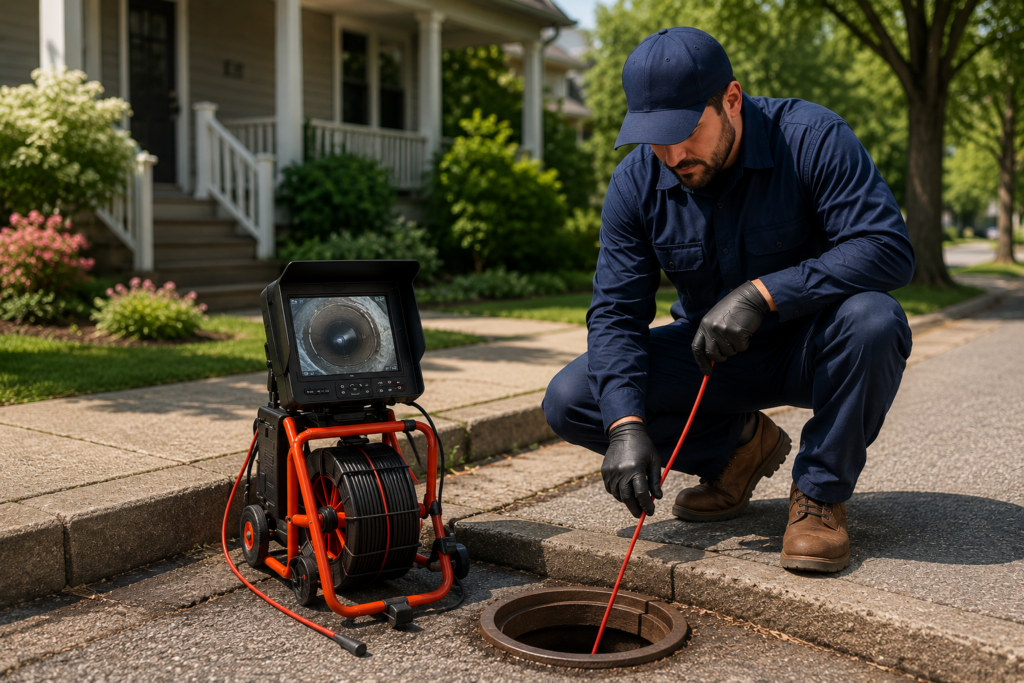
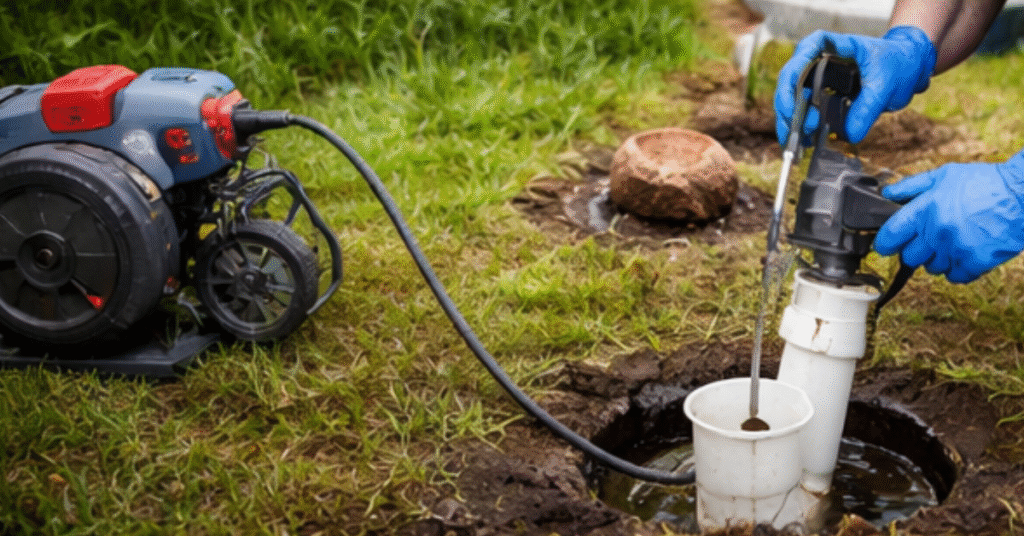
A septic tank pump-out removes solid buildup and helps keep odors at bay. Fall can be a great time for this service before the holiday season increases home water use:
- Check Your Pumping Schedule: Most homes need pumping every 3–5 years, but usage and tank size can affect timing.
- Schedule During Dry Weather: Pumping is easier and more effective when the ground is firm and dry.
If you’re unsure when your system was last serviced, contact Einstein Pros Portland Plumbing to assess your needs.
Step 5: Manage What Goes Down the Drain
Even during fall yard work, indoor habits play a role in preventing septic odors:
- Avoid Harsh Chemicals: Cleaning agents can kill beneficial bacteria in your tank.
- Limit Grease and Food Waste: Dispose of these in the trash, not down the sink.
- Use Septic-Safe Products: Choose biodegradable soaps and paper products to protect your system.
Our Home Plumbing Tips page has more advice for keeping your pipes and drains in great condition year-round.
Step 6: Watch for Early Signs of Problems
Catching septic issues early can save you from major repairs:
- Listen for Gurgling: Noises from your drains can signal blockages.
- Note Slow Drains: If sinks or tubs drain sluggishly, it might not just be leaves—it could be your septic system.
- Smell for Trouble: Any noticeable odor near the drain field or inside the home should be addressed immediately.
Final Thoughts
Taking a few extra steps during your fall yard work routine can protect your septic system and keep your yard smelling fresh all season long. By managing runoff, clearing debris, and maintaining good household plumbing habits, you’ll help your septic system operate efficiently year-round.
If you notice unusual smells, standing water, or other warning signs, don’t wait—reach out to Einstein Pros Portland Plumbing for professional inspection and service. Our team understands the unique challenges of Portland’s climate and can help ensure your system stays healthy long after fall leaves have blown away.