
Sewer line problems are some of the most disruptive and costly plumbing issues Portland homeowners can face. Because sewer lines are buried underground and out of sight, damage often goes unnoticed until a serious problem develops. With Portland’s aging infrastructure, heavy rainfall, tree-lined neighborhoods, and shifting soil, sewer line issues are more common than many homeowners realize.
Understanding the warning signs, common causes, and available solutions can help you protect your property, avoid health risks, and reduce repair costs. This guide breaks down everything Portland homeowners need to know—and when it’s time to contact a trusted local professional like Einstein Pros.
Common Signs of Sewer Line Problems
Sewer line damage rarely happens overnight. Most issues develop gradually, and early detection can prevent extensive repairs.
1. Frequent Drain Backups
If multiple drains in your home—such as sinks, showers, and toilets—are backing up at the same time, the problem is likely in the main sewer line rather than a single fixture. According to the U.S. Environmental Protection Agency, sewer backups can pose serious health risks due to exposure to bacteria and contaminants:
🔗 https://www.epa.gov/septic/sewer-backups-and-basement-flooding
2. Slow Drains Throughout the House
One slow drain is usually a localized clog. However, slow drainage across multiple fixtures often indicates a blockage or collapse in the sewer line.
3. Sewage Odors Indoors or Outdoors
Persistent sewer smells inside your home or around your yard are a strong indicator of cracked or leaking sewer pipes. Sewer gas contains methane and other harmful gases that should never be ignored. The Centers for Disease Control and Prevention (CDC) warns that exposure to sewage can cause illness:
🔗 https://www.cdc.gov/healthywater/emergency/sanitation-wastewater/sewage.html
4. Unusually Green or Soggy Patches in Your Yard
A damaged sewer line can leak nutrient-rich wastewater into the soil, causing grass to grow faster or appear greener in specific areas. Standing water or muddy patches during dry weather can also indicate a leak.
5. Gurgling Sounds in Plumbing Fixtures
Gurgling noises from toilets or drains often occur when air is trapped due to a sewer line obstruction.
Why Sewer Line Issues Are Common in Portland
Portland presents unique challenges for underground plumbing systems.
Aging Sewer Infrastructure
Many Portland homes were built decades ago using clay or cast-iron sewer pipes. Over time, these materials deteriorate and become more susceptible to cracks and collapse. The American Society of Civil Engineers consistently reports aging wastewater systems as a national concern:
🔗 https://infrastructurereportcard.org/
Tree Root Intrusion
Portland’s lush urban tree canopy is beautiful—but tree roots naturally seek out moisture. Sewer pipes provide an attractive source, especially if they have small cracks or loose joints. Once inside, roots expand and block wastewater flow.
Heavy Rainfall and Soil Shifting
Portland’s rainy seasons can oversaturate soil, causing ground movement that stresses underground pipes. According to the National Oceanic and Atmospheric Administration (NOAA), prolonged rainfall increases the risk of underground infrastructure failure:
🔗 https://www.noaa.gov/
Professional Solutions for Sewer Line Problems
Sewer line repairs are not DIY projects. Professional diagnosis and repair ensure safety, code compliance, and long-term performance.
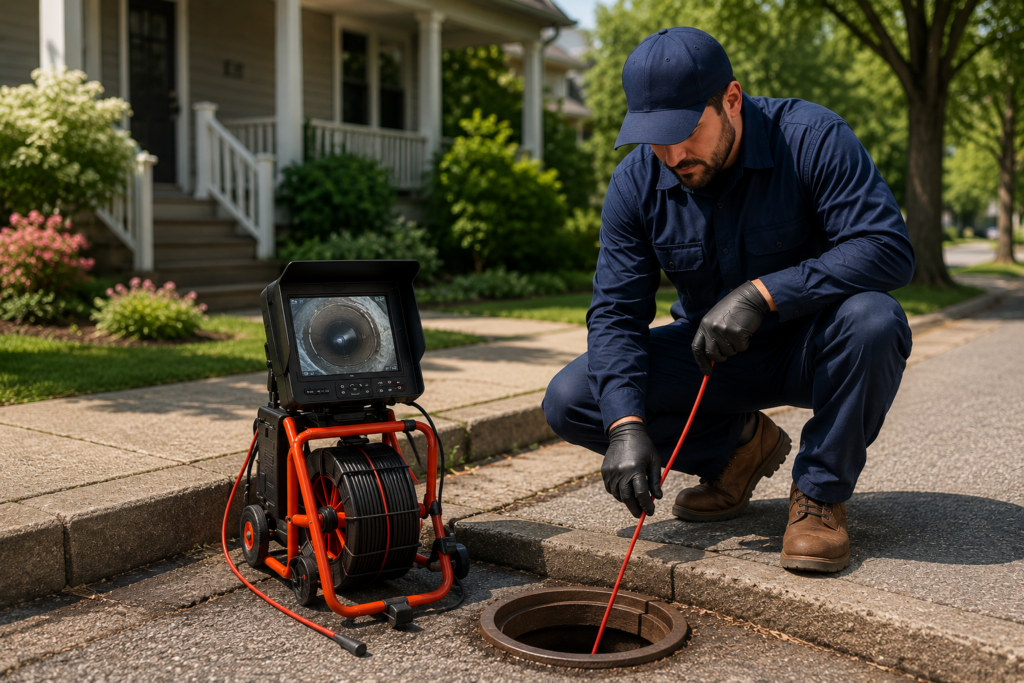
Video Camera Sewer Inspections
Modern sewer inspections use small cameras to visually assess the inside of pipes. This allows plumbers to locate blockages, cracks, and root intrusion without unnecessary digging. The Water Research Foundation highlights camera inspections as a best practice for sewer diagnostics:
🔗 https://www.waterrf.org/
Hydro Jetting
For blockages caused by grease buildup, debris, or roots, hydro jetting uses high-pressure water to thoroughly clean the inside of sewer pipes. This method is highly effective and environmentally friendly when performed by trained professionals.
Trenchless Sewer Repair
When pipe damage is identified, trenchless repair methods such as pipe lining or pipe bursting can restore sewer lines with minimal disruption to landscaping or driveways. The Federal Highway Administration recognizes trenchless technology as a less invasive infrastructure repair method:
🔗 https://www.fhwa.dot.gov/
Sewer Line Replacement
In cases of severe corrosion, collapse, or outdated materials, full sewer line replacement may be the most reliable solution. While more extensive, replacement ensures long-term functionality and compliance with local codes.
Preventing Sewer Line Problems in Portland Homes
Preventative care can significantly extend the life of your sewer line.
- Schedule periodic professional inspections
- Avoid flushing wipes, grease, or non-biodegradable materials
- Install root barriers if you have large trees near sewer lines
- Address slow drains early before they worsen
- Keep detailed records of past sewer repairs or inspections
The City of Portland Bureau of Environmental Services provides guidance on maintaining private sewer laterals:
🔗 https://www.portland.gov/bes
When to Call Einstein Pros
If you notice any signs of sewer line trouble, delaying repairs can lead to property damage, mold growth, and costly emergency situations. Einstein Pros provides professional sewer inspections, repairs, and long-term solutions tailored to Portland homes and soil conditions.
Working with a knowledgeable local plumbing expert ensures accurate diagnosis, code-compliant repairs, and peace of mind—especially when dealing with something as critical as your sewer system.
Final Thoughts
Sewer line issues are serious, but they don’t have to be overwhelming. By recognizing early warning signs, understanding Portland-specific risk factors, and choosing proven repair methods, homeowners can protect their property and avoid unnecessary expenses.
When sewer problems arise, partnering with an experienced local provider like Einstein Pros helps ensure the issue is handled correctly the first time—safely, efficiently, and with long-term reliability in mind.