
For many homeowners in Portland, the arrival of spring can bring back drain odors that seemed long gone. Instead of a fresh season smell, you might suddenly notice foul sewer-like odors coming from shower drains, floor drains, or guest bathroom sinks. While unpleasant, these odors usually have identifiable causes — and practical solutions.
At Einstein Pros Portland | Trusted Plumbing Services in Oregon, we help homeowners figure out why drain smells happen and how to fix them right the first time. Below are the 9 most common causes of spring drain smells — along with what you can do to eliminate them for good.
What’s That Smell — Is It Sewer Gas?
Before we get into causes, it’s important to understand what that smell might be. If the odor resembles rotten eggs or sulfur, it could be sewer gas escaping into your home’s plumbing system. Sewer gas contains a mix of gases from decomposing organic matter, often including hydrogen sulfide, which can be detected at very low concentrations by smell alone. According to the CDC, hydrogen sulfide has a distinct odor in low amounts, though the odor can fade at higher concentrations.
Unwanted sewer odors typically enter living spaces through drain lines and plumbing traps, not through drinking water. So if smells are coming from drains — not faucets — the plumbing system itself is usually the source.
1. Dry Traps (Trap Seal Evaporation)
Every drain has a P-trap — a U-shaped section of pipe designed to hold water. That water serves as a seal to block sewer gases from entering the home.
If a drain hasn’t been used in a while (think rarely used guest bathroom or utility sink), the water in the trap can evaporate. Once it’s gone, there’s nothing stopping sewer gas from wafting indoors.
Fix: Run water in every seldom-used drain for 30–60 seconds weekly to re-establish the water seal. If high evaporation is ongoing due to a dry basement or HVAC dehumidification, consider trap primers that automatically add water to traps.
According to plumbing codes, a trap seal should typically be 2–4 inches of water deep to prevent sewer gases from escaping.
2. Clogged or Partially Blocked Traps
If debris, hair, soap residue, or grease builds up in the trap it can reduce the water seal, trap odors, and prevent proper flushing.
Fix: Remove the trap and clean it, or use a mechanical snake to clear clogs. For stubborn buildup, ask your professional plumber about in-drain enzymatic treatments that help break down organic matter.
3. Blocked Vent Pipes
Your home’s plumbing vent stack allows sewer gases to escape to the outside and also maintains correct air pressure in drain lines. If the vent is blocked (by leaves, bird nests, or debris), pressure changes can push odors back down through drains.
Fix: A blocked vent should be cleared safely. Many vent issues require a professional with roof access and the proper tools to clean out the stack without damaging roof components.
4. Sewer Line Backups or Partial Blockages
Smells that persist throughout the home — even when individual drains aren’t used — may be a sign of a more serious issue like a partial sewer line blockage. Roots, grease, or debris can block sewer lines and force gases back into the home.
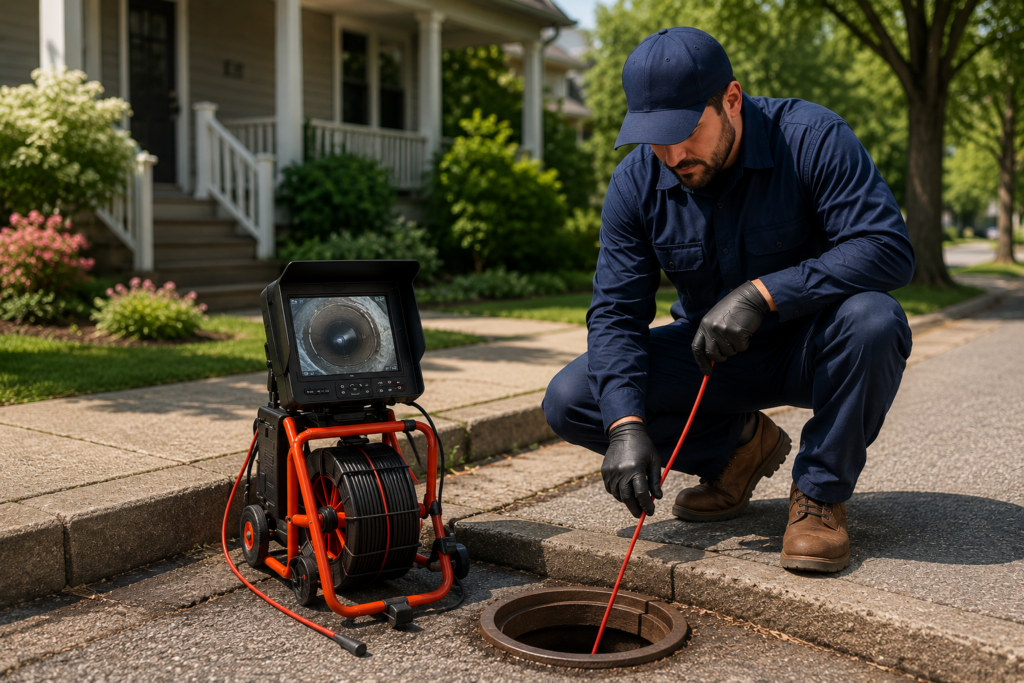
Fix: A sewer camera inspection can pinpoint the location of a blockage. Once identified, cleaning or repair can resolve the odor issue and protect your system from backup or overflows.
5. Floor Drains with No Regular Use
Floor drains in basements, laundry rooms, or garages are particularly prone to trap dry-out, since they rarely see standing water.
Fix: Pour water into floor drains regularly and maintain a trap primer if moisture loss is common in the area. Floor drains without water will easily allow sewer odors to enter.
6. Leaking Drain Pipes
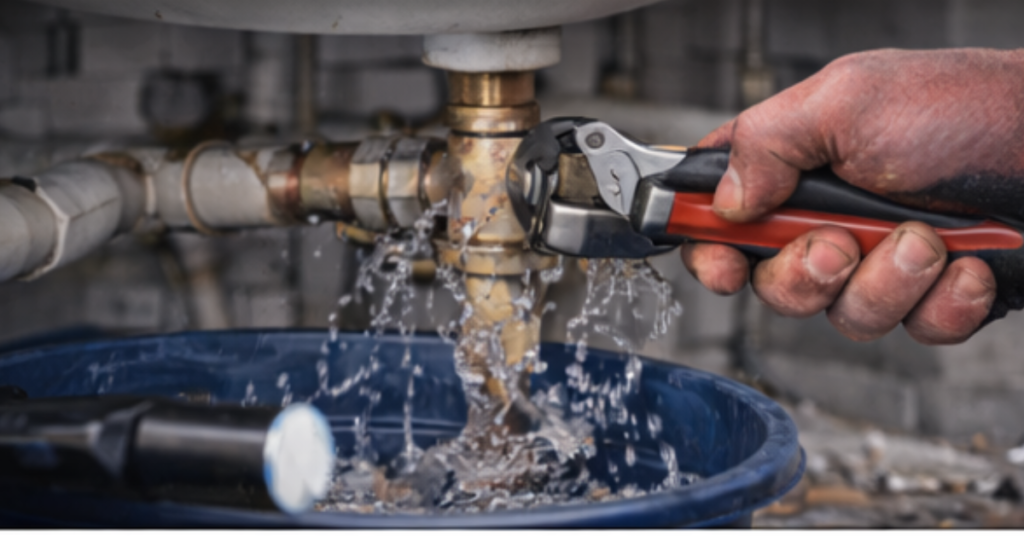
Sometimes the source of a bad smell isn’t sewer gas at all — it could be a leaking drain pipe under a slab or behind walls. Slow leaks can cause mold, mildew, and genuine sewage odors as moisture builds up in hidden areas.
Fix: If you suspect a leak, call a professional plumber to test and locate the issue. Leaks require repair or pipe replacement to stop odors and prevent structural moisture damage.
7. Improperly Installed Plumbing
Incorrect plumbing slopes, bad venting, or traps installed in the wrong places can create ongoing odor issues. If the entire system was not installed or remodeled according to code, odors may be symptomatic of a larger installation problem.
Fix: A licensed plumber can evaluate older or DIY plumbing installations and recommend corrections that align with Oregon industry standards.
8. Sewer Gas Entry at Clean-outs
Clean-outs provide access to sewer lines, but if the cap isn’t tight or properly sealed, sewer gas can escape into the area.
Fix: Check clean-out plugs in basements, crawl spaces, or utility rooms and ensure they’re tightly sealed. Replace worn gaskets or caps to prevent gas entry.
9. Weather-Related Pressure Changes
Cold fronts, barometric shifts, or drastic temperature changes can sometimes create pressure differences that encourage sewer gases to move into the home until the plumbing system equalizes.
Fix: These weather triggers are usually temporary, but if odors persist beyond a day or two, investigate indoor plumbing causes such as dry traps or vent restrictions.
When You Need Professional Help
If you’ve tried basic home fixes and the smell persists — especially if it’s widespread or recurring — it’s time to call in trained plumbers.
At Einstein Pros Portland we specialize in diagnosing drain odors using inspection cameras, code-compliant vent evaluations, and sewer line assessments. Our technicians ensure problems are fixed at their source, not just masked with air fresheners.
Sources
- What You Need to Know If You Smell Sewer Gas — Healthline — https://www.healthline.com/health/healthy-home-guide/sewer-gas
- Hydrogen Sulfide | ToxFAQs™ — CDC/ATSDR — https://wwwn.cdc.gov/TSP/ToxFAQs/ToxFAQsDetails.aspx?faqid=388&toxid=67
- Sewer Gas Odor in Your House and What to Do About It — Oatey — https://www.oatey.com/faqs-blog-videos-case-studies/blog/sewer-gas-odor-your-house-and-what-do-about-it
- Trap Seal Protection (Water Seal Depth) — IAPMO Codes Spotlight — https://forms.iapmo.org/email_marketing/codespotlight/2020/Oct8.htm
- Report a Sewer Odor — City of Portland BES — https://www.portland.gov/bes/report-sewer-odor