
Spring is here — and in Portland, that means warmer days, rainy spells, and the perfect time to make sure your plumbing system is ready for the season. Just like spring-cleaning the house or preparing your yard, plumbing maintenance prevents hidden problems from becoming expensive emergencies. This April Home Maintenance Month plumbing checklistwalks through 15 essential items every Portland homeowner should inspect — with guidance based on authoritative industry sources.
Before we begin, make sure you bookmark this page and save the contact info for a trusted local expert like Einstein Pros Portland — your go-to plumbing professionals in the Portland metro area.
1. Check for Visible Leaks Throughout the Home
Leaks are often the first sign of a problem. Look under sinks, around toilets, and near the water heater for water stains, drips, or moisture. Even small leaks can waste hundreds of gallons over time and lead to mold or damage if ignored.
2. Test Your Outdoor Faucets and Hose Bibs
Cold weather can damage outdoor plumbing. Turn on all exterior spigots and hose bibs; inspect for cracks, leaks, or low flow. If you find issues, repair or replace before irrigation season begins.
3. Inspect Exposed Pipes in Basements or Crawl Spaces
Check pipes in unheated areas for corrosion, cracks, or signs of freeze-thaw damage. Early detection of weakened pipes can prevent costly water damage later in the year.
4. Test Your Sump Pump Before Spring Storms
Spring rains mean more water entering basements or crawl spaces. Pour a bucket of water into the sump pit and ensure the pump activates and drains fully. A failing pump can result in a flooded basement and lengthy repairs.
5. Flush and Inspect Your Water Heater
Sediment buildup decreases efficiency and shortens your water heater’s lifespan. Flushing a few gallons can help remove settled material. Check around the tank for rust, corrosion, or leaks.
6. Check Faucets and Showerheads for Drips and Low Flow
Even small drips can waste water and signal worn seals or washers. Remove aerators periodically to clean mineral buildup and restore flow.
7. Examine Toilets for Running or Silent Leaks
A toilet that runs without flushing can waste hundreds of gallons of water each month. A simple toilet dye test can reveal silent leaks quickly — add a few drops of food coloring to the tank and wait 10–15 minutes; color in the bowl means a leak.
8. Test All Drains for Proper Flow
Slow-draining sinks or tubs are often the first sign of developing clogs. Regularly running hot water down each drain can help catch issues early. Persistent slow drains may require professional attention.
9. Check Your Water Pressure
Low or inconsistent water pressure might indicate hidden leaks or buildup in pipes. A pressure gauge (inexpensive from hardware stores) can help check whether pressure is within the normal range.
10. Inspect Appliance Water Connections
Hoses for washing machines, dishwashers, and refrigerators are common sources of leaks. Inspect for cracks, stiffness, or bulging; replacing old rubber hoses with braided stainless steel can dramatically reduce failure risk.
11. Make Sure Shut-Off Valves Work Smoothly
In an emergency, knowing how to quickly shut off water at the main and at individual fixtures can save your home from major water damage. Turn each valve gently to ensure free movement.
12. Inspect Sewer Lines and Yard for Unusual Signs
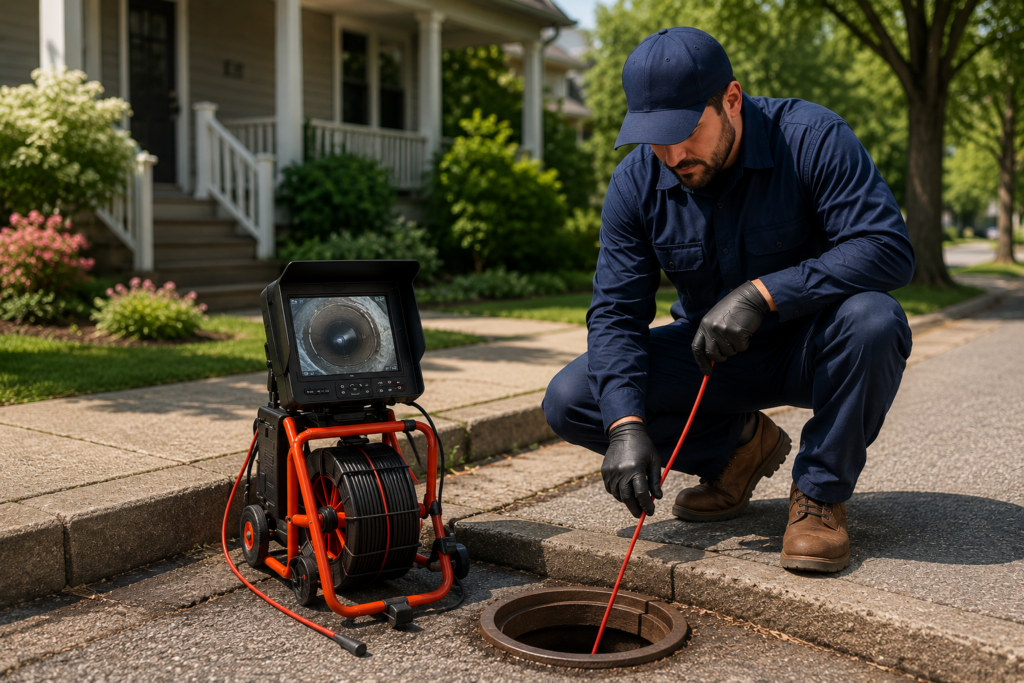
Spring root growth and wet soil can stress sewer lines. Look for soggy patches in your yard, slow drains, or gurgling sounds — they can signal sewer trouble. A professional inspection with a camera can detect early issues.
13. Clean Gutters and Downspouts Near Plumbing Runs
Water pooling around your foundation can strain your home’s plumbing system. Clear debris from gutters and downspouts so water drains away from the house, protecting basement walls, sump systems, and service lines.
14. Check for Corrosion Around Fixtures and Connectors
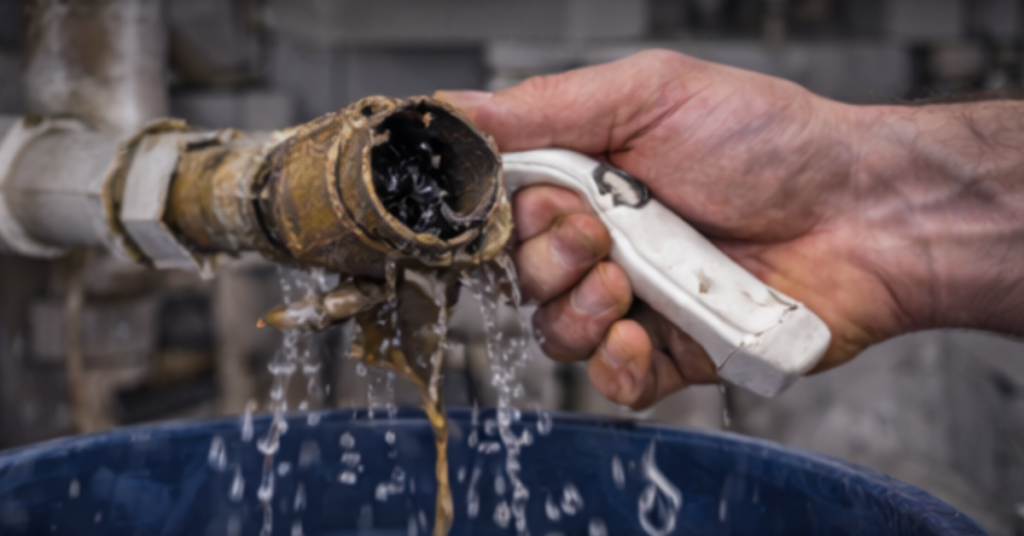
Corrosion weakens pipes and can lead to leaks. Look for green, white, or reddish deposits around metal fixtures and pipes; these often mean water reaction with metals, and professional attention is wise if you spot them.
15. Review Local Codes and Permits if You Plan Upgrades
If your checklist leads you into repairs or upgrades (like moving plumbing, replacing lines, or changing fixtures), consult Portland’s building department about permits — proper compliance keeps your home safe and avoids fines. The City of Portland’s Residential Plumbing Permits page explains when permits are needed.
Final Thoughts
Spring Home Maintenance Month is the ideal time to give your home’s plumbing the attention it deserves. These simple inspections and preventive steps — from leak checks to water heater flushing — protect your investment and help avoid costly repairs down the road.
Need expert help? Contact trusted local professionals at Einstein Pros Portland to schedule a full spring plumbing inspection tailored to your Oregon home.
Sources
- Learn more about preparing your plumbing for rainy seasons
- Understand combined sewer overflow systems
- Tips for protecting your home from basement flooding