
Plumbing emergencies rarely happen at a convenient time. Whether it’s a burst pipe, overflowing toilet, or sudden loss of water pressure, these situations can quickly escalate into costly damage if not handled properly. For Portland homeowners in 2026, knowing what steps to take before a professional arrives can save thousands of dollars in repairs and protect your property from long-term issues.
This guide walks you through exactly what to do during a plumbing emergency, how to reduce immediate damage, and when it’s critical to contact a professional like Einstein Pros Portland.
Step 1: Shut Off the Water Immediately
The first and most important action during any plumbing emergency is stopping the water flow. Even a small leak can cause significant structural damage within minutes.
- Locate your main water shut-off valve (usually in the basement, crawl space, or near the water meter)
- Turn the valve clockwise to stop the water supply
- For smaller issues, such as a leaking sink or toilet, use the localized shut-off valve
According to the American Red Cross Emergency Tips, shutting off utilities quickly is one of the most effective ways to prevent severe home damage during emergencies.
Step 2: Turn Off the Water Heater
If your issue involves hot water or a major leak, it’s important to turn off your water heater to prevent overheating or pressure buildup.
- For electric heaters: switch off power at the breaker
- For gas heaters: turn the gas valve to the “off” position
The U.S. Department of Energy Water Heating Guide notes that shutting down your water heater during emergencies helps prevent damage to the unit and reduces safety risks.
Step 3: Assess the Situation Safely
Before attempting any fixes, evaluate the severity of the problem.
Common emergencies include:
- Burst pipes
- Sewer backups
- Overflowing toilets
- Major leaks under sinks
- Water heater failure
If there is standing water near electrical outlets or appliances, avoid contact and prioritize safety. The Federal Emergency Management Agency (FEMA) recommends avoiding water exposure near electrical systems due to electrocution risks.
Step 4: Contain the Damage
While waiting for professional help, you can take steps to minimize damage:
- Use towels or buckets to catch dripping water
- Place a tarp or plastic sheet over leaking areas
- Move furniture and valuables away from affected zones
- Use a wet/dry vacuum if available
Water damage can escalate quickly. The Environmental Protection Agency (EPA) highlights that prolonged moisture exposure can lead to mold growth within 24–48 hours.
Step 5: Try Temporary Fixes (If Safe)
Some minor plumbing issues can be temporarily controlled until help arrives.
Examples:
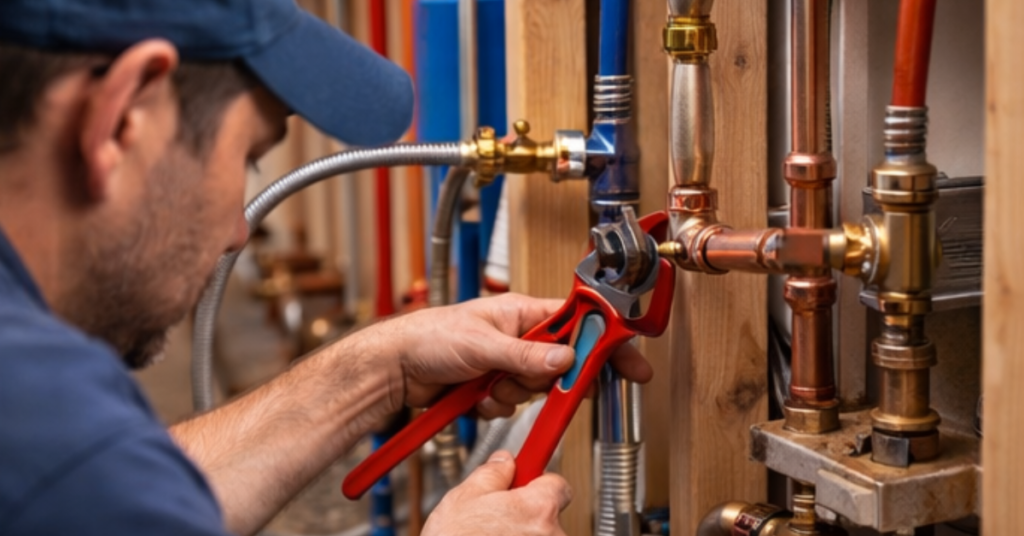
- Apply plumber’s tape to small pipe leaks
- Use a plunger for minor clogs
- Tighten loose connections under sinks
However, avoid using chemical drain cleaners or attempting major repairs. These can worsen the problem or damage your plumbing system. Resources like This Old House emphasize that DIY fixes should only be short-term solutions.
Step 6: Document the Damage
If your plumbing emergency causes significant damage, take photos and notes for insurance purposes.
Include:
- Affected areas
- Damaged items
- Source of the leak (if visible)
Documentation can help streamline claims and ensure proper reimbursement. The Insurance Information Institute recommends detailed records when filing home insurance claims.
Step 7: Call a Professional Plumber Immediately
Once you’ve taken initial steps to control the situation, it’s time to call a licensed professional. Plumbing emergencies require expert attention to ensure the issue is resolved correctly and doesn’t recur.
For fast, reliable service in Portland, contact Einstein Pros Portland. Their team is equipped to handle emergency plumbing situations efficiently, minimizing downtime and preventing further damage.
Common Plumbing Emergencies in Portland Homes
Portland homes—especially older properties—are prone to specific plumbing issues due to aging infrastructure and seasonal weather changes.
Typical local problems include:
- Pipe corrosion in older homes
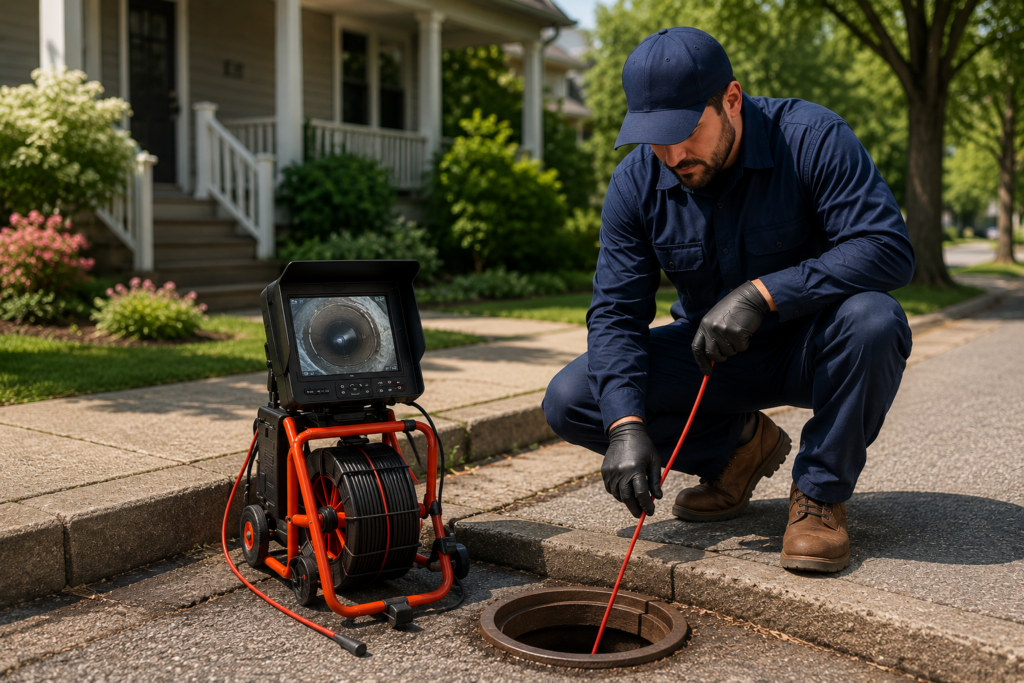
- Tree root intrusion in sewer lines
- Seasonal pipe expansion and contraction
- Heavy rainfall impacting drainage systems
Understanding these risks helps homeowners stay proactive and reduce the likelihood of emergencies.
Preventing Future Plumbing Emergencies
While not all emergencies can be avoided, regular maintenance significantly reduces risk.
Preventative tips:
- Schedule annual plumbing inspections
- Insulate pipes before colder months
- Avoid flushing non-degradable items
- Monitor water pressure levels
- Replace aging fixtures proactively
The International Association of Certified Home Inspectors recommends routine inspections as a key strategy for preventing unexpected plumbing failures.
When to Call Immediately
Some situations require urgent professional intervention. Contact a plumber right away if you experience:
- Burst pipes
- Sewage backups
- No running water
- Flooding inside the home
- Persistent leaks that won’t stop
Delaying service in these cases can lead to structural damage, mold growth, and significantly higher repair costs.
Final Thoughts
Plumbing emergencies can be stressful, but knowing how to respond makes all the difference. Acting quickly, shutting off water, and minimizing damage can protect your home while you wait for professional help.
For Portland homeowners, having a trusted plumbing partner is essential. When emergencies strike, Einstein Pros Portland provides dependable service to restore your home safely and efficiently.