
A failing water heater rarely breaks down without warning. In most cases, your system will show subtle (and sometimes not-so-subtle) signs that trouble is coming. Recognizing these early can save Portland homeowners from unexpected cold showers, water damage, and costly emergency replacements.
In a city like Portland, where seasonal temperature shifts and mineral content in water can impact plumbing systems, staying ahead of water heater issues is especially important. Below are the top seven signs your water heater may be nearing the end of its life—and what you should do next.
If you’re experiencing any of these issues or want a professional assessment, visit Einstein Pros Portland to schedule an inspection or learn more about your options.
1. Inconsistent or Lukewarm Water
If your hot water suddenly turns lukewarm or fluctuates between hot and cold, your water heater is likely struggling to perform. This is often caused by:
- Failing heating elements (electric units)
- Sediment buildup in the tank
- A malfunctioning thermostat
Portland homes with older systems are particularly vulnerable, especially if routine maintenance has been overlooked. If the issue persists, it may indicate your unit is nearing failure rather than needing a simple repair.
2. Strange Noises Coming from the Tank
Hearing popping, rumbling, or banging noises from your water heater is not normal. These sounds are typically caused by hardened sediment accumulating at the bottom of the tank.
As water heats, it pushes through this buildup, creating noise and reducing efficiency. Over time, this can lead to overheating, tank damage, and eventual failure. According to energy efficiency experts, sediment buildup is one of the leading causes of premature water heater breakdowns.
3. Discolored or Rusty Water
If your hot water appears rusty or brown, it may indicate corrosion inside your water heater tank. This is a serious warning sign because:
- Internal rust means the tank is deteriorating
- Leaks are likely to follow
- Replacement is often unavoidable
You can test this by running only hot water. If the discoloration disappears when using cold water, the issue is almost certainly coming from your water heater.
4. Water Leaks Around the Unit
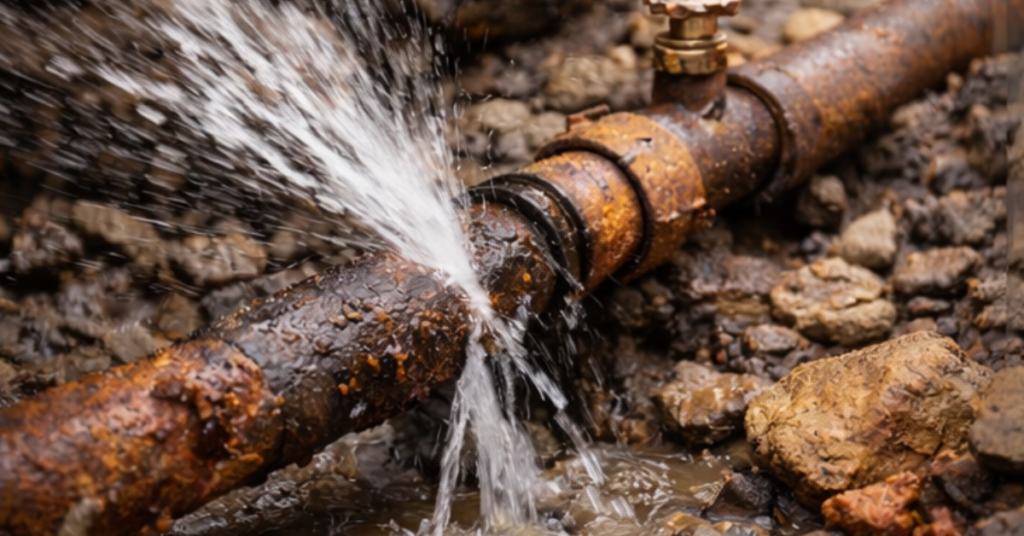
Any visible moisture or pooling water around your water heater should be addressed immediately. Even small leaks can quickly escalate into major problems, including:
- Structural water damage
- Mold growth
- Complete tank failure
Leaks often occur due to metal expansion from repeated heating cycles, which eventually causes cracks in the tank. Once the tank itself is compromised, repair is rarely possible.
5. Reduced Hot Water Supply
If your showers are getting shorter and your hot water runs out faster than usual, your water heater may be losing capacity. This is commonly due to:
- Sediment taking up space inside the tank
- Aging components losing efficiency
- Increased household demand exceeding system capacity
In Portland households with growing families or older plumbing systems, this issue can appear gradually and worsen over time.
6. Your Water Heater Is Over 8–12 Years Old
Most traditional tank water heaters last between 8 to 12 years. If your system is approaching or exceeding this range, it’s at a higher risk of failure—even if it seems to be working fine.
Older units are more prone to:
- Internal corrosion
- Energy inefficiency
- Sudden breakdowns
If you’re unsure of your unit’s age, check the manufacturer label. Planning a replacement before failure can help you avoid emergency costs and downtime.
7. Rising Energy Bills
A failing water heater often becomes less efficient, meaning it has to work harder to heat the same amount of water. This can lead to noticeable increases in your utility bills.
Common causes include:
- Sediment buildup reducing heating efficiency
- Worn-out components
- Outdated technology compared to modern systems
Upgrading to a newer, energy-efficient model can significantly reduce operating costs over time.
What Portland Homeowners Should Do Next
If you notice one or more of these warning signs, it’s important to act quickly. Ignoring early symptoms can lead to:
- Emergency replacements
- Water damage repairs
- Higher long-term costs
A professional inspection can determine whether your system needs repair or full replacement. For trusted, local expertise, homeowners can rely on Einstein Pros Portland for accurate diagnostics and honest recommendations.
If your system is still functional but showing early signs of wear, routine maintenance such as flushing the tank and checking components can extend its lifespan. However, once structural issues or corrosion begin, replacement is usually the most cost-effective solution.
Repair or Replace: Making the Right Decision
Here’s a simple guideline:
- Repair if the issue is minor (thermostat, heating element, or maintenance-related)
- Replace if the tank is leaking, corroded, or over 10 years old
Modern water heaters are more energy-efficient and reliable, making replacement a smart investment for many Portland homeowners.
Final Thoughts
Your water heater is one of the most essential appliances in your home, yet it’s often overlooked until something goes wrong. By recognizing these early warning signs, you can avoid unexpected failures and plan ahead with confidence.
If you’re experiencing any of these issues or want a professional assessment, visit Einstein Pros Portland to schedule an inspection or learn more about your options.
Sources
https://www.energy.gov/energysaver/water-heating
https://www.epa.gov/watersense
https://www.nachi.org/water-heater-inspection