
Older homes in Portland have character, charm, and often decades of plumbing history behind their walls. But with that age comes one of the most common household frustrations: recurring clogged drains. Whether it’s slow kitchen sinks, backed-up showers, or frequent toilet issues, older plumbing systems require more intentional care to stay functional.
Understanding why clogs happen—and how to prevent them—can save homeowners significant repair costs and reduce emergency plumbing situations.
If persistent drainage issues become too frequent or severe, professional help is available through trusted local experts like Einstein Pros Plumbing Portland, who specialize in diagnosing and resolving complex residential plumbing problems.
Why Older Portland Homes Are More Prone to Drain Clogs
Many Portland homes built before modern plumbing standards still rely on aging pipe materials such as cast iron or galvanized steel. Over time, these materials naturally corrode, narrow, or develop rough interior surfaces where debris can accumulate.
In Portland specifically, additional environmental factors such as tree root intrusion into sewer lines and seasonal rainfall saturation can also increase the likelihood of drainage issues.
1. Be Careful What Goes Down Your Drains
One of the most effective ways to prevent clogs is also the simplest: controlling what enters your plumbing system.
Kitchen sinks are especially vulnerable. Grease, oils, and food particles solidify in older pipes and slowly restrict water flow. Bathroom drains often collect hair and soap scum, which combine into dense blockages.
The U.S. Environmental Protection Agency emphasizes that everyday household waste is a leading cause of drain blockages and sewer issues:
https://www.epa.gov/watersense/fix-leak-week
To reduce risk:
- Avoid pouring grease or oil down the sink
- Use drain strainers in sinks and tubs
- Dispose of food waste in trash or compost instead of drains
2. Flush Drains with Hot Water Regularly
Routine hot water flushing helps break down early-stage buildup before it becomes a full blockage. This is especially helpful in older metal pipes where residue accumulates faster.
Running hot water through kitchen and bathroom drains once or twice a week can help keep grease and soap moving through the system instead of sticking to pipe walls.
3. Watch for Early Warning Signs of Clogs
Clogs rarely happen instantly. They usually build up over time and show warning signs first. Recognizing them early can prevent major backups.
Common indicators include:
- Slow draining sinks or tubs
- Gurgling sounds in pipes
- Frequent toilet backups
- Unpleasant odors from drains
If these symptoms begin appearing regularly, it may indicate deeper buildup in the system or issues in the main sewer line.
At this stage, many homeowners consult professionals such as Einstein Pros Plumbing Portland for diagnostic inspections before the issue escalates.
4. Be Aware of Tree Root Intrusion
Portland’s lush environment and mature tree coverage, while beautiful, can contribute to underground plumbing issues. Tree roots naturally seek moisture and can infiltrate small cracks in aging sewer lines.
Once inside, roots expand and trap debris, eventually leading to severe blockages.
According to the U.S. Geological Survey, tree root intrusion is a common cause of sewer line damage in residential areas with older infrastructure:
https://www.usgs.gov
Preventative sewer inspections can help identify root intrusion early before it causes full blockage or pipe collapse.
5. Maintain Your Plumbing System Seasonally
Seasonal maintenance is especially important in Portland due to fluctuating rainfall and temperature changes. Heavy rain can increase groundwater pressure around sewer lines, while temperature shifts can affect pipe expansion and contraction.
A seasonal plumbing checklist should include:
- Checking all visible drains for slow flow
- Running hot water through infrequently used sinks
- Inspecting outdoor drainage areas for blockages
- Monitoring basement or lower-level drains for backups
Regular inspections reduce the risk of unexpected plumbing failures and extend system lifespan.
6. Upgrade Problem Areas When Necessary
In some cases, prevention alone is not enough. Older homes with severely corroded or narrow pipes may require partial upgrades or pipe relining solutions to restore proper flow.
Persistent clogging, even after regular maintenance, often signals deeper structural issues in the plumbing system. Addressing these early can prevent costly emergency repairs later.
Professional plumbing assessments help determine whether cleaning, repair, or replacement is the best long-term solution.
7. Schedule Professional Drain Inspections
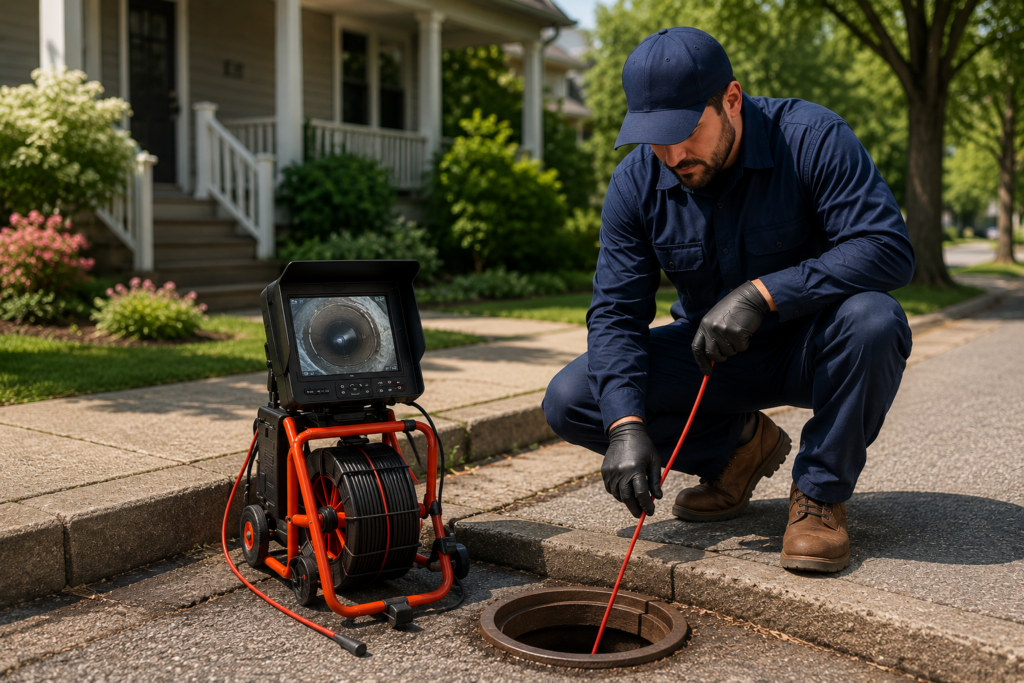
Even with consistent homeowner maintenance, older plumbing systems benefit from periodic professional inspections. Advanced tools such as drain cameras can detect buildup, cracks, or root intrusion that are not visible externally.
Early detection allows for targeted cleaning or repair before a complete blockage occurs.
For homeowners in Portland dealing with recurring drain issues, expert evaluation from Einstein Pros Plumbing Portland can help identify underlying causes and recommend long-term prevention strategies.
Final Thoughts
Preventing clogged drains in Portland’s older homes requires a combination of smart daily habits, seasonal maintenance, and awareness of aging infrastructure risks. While many minor issues can be prevented with simple care routines, older plumbing systems often need professional oversight to stay in optimal condition.
By staying proactive and addressing early warning signs, homeowners can avoid costly repairs and maintain a healthier plumbing system for years to come.