
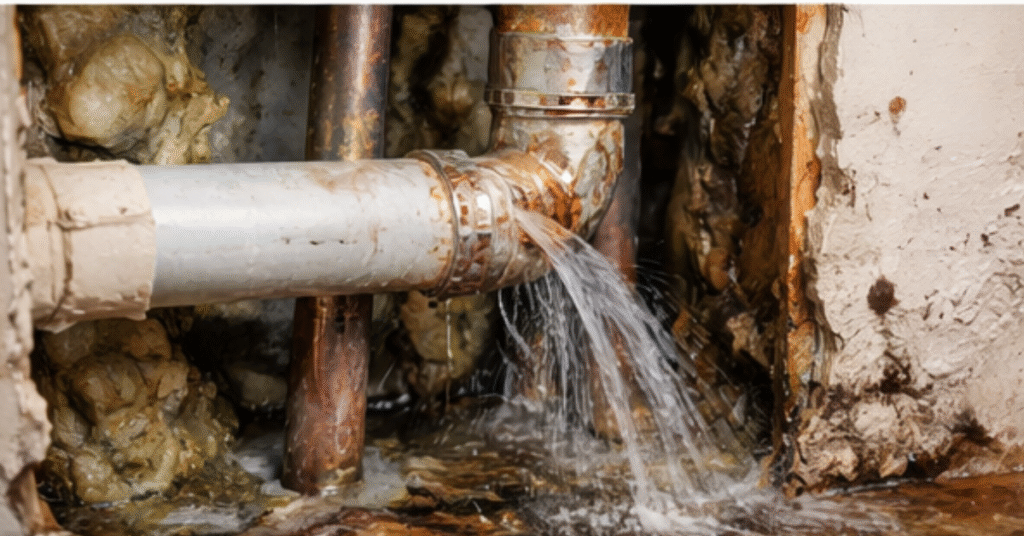
When winter temperatures drop in Portland, one of the most urgent plumbing emergencies homeowners face is a burst pipe. Water rushing into your home can quickly cause major damage, ruin belongings, and create long-term mold issues if not handled immediately. Acting fast is critical. In this comprehensive guide, you’ll learn exactly how to stop a burst pipe, limit damage, and prepare your home to prevent future plumbing disasters—all backed by local best practices and trusted resources.
This guide is provided by Einstein Pros, a trusted plumbing expert serving Portland and the Pacific Northwest. Remember to bookmark this checklist for emergencies and explore related resources through our internal links.
First Signs of a Burst Pipe
Before water floods a room, pipes often give warning signs:
- Sudden drop in water pressure
- Unexplained puddles or damp spots on walls/floors
- Sounds of running water behind walls
- Discolored water or rusty discharge from faucets
If you detect any of these warning signs, act fast to prevent further damage.
Step 1: Shut Off the Main Water Supply Immediately
The first and most critical step is to locate and shut off the main water valve. In Portland homes, it’s typically:
- Inside the basement or utility area
- In crawl spaces
- Outside near the foundation or water meter box
Turning off the main water supply prevents additional flooding. If you’re unsure where your shut-off valve is located, check our Einstein Pros Emergency Plumbing Page for a diagram and instructions.
Step 2: Drain the Remaining Water
Once the water is shut off:
- Start with cold taps—open faucets and flush toilets.
- Then run hot water lines to fully depressurize your piping system.
This step helps reduce pressure in the pipe and limits further leakage.
Step 3: Contain and Control the Leak
Use towels, buckets, or containers to capture water. If the burst pipe is visible:
- Wrap it with heavy-duty tape or a pipe repair clamp as a temporary fix.
- Avoid chemical sealants, as they may worsen the pipe damage.
IMPORTANT: These measures are temporary. Permanent repairs must be done by licensed professionals to maintain safety and code compliance.
Step 4: Shut Off Electricity If Water Is Near Outlets
If flooding has reached outlets, appliances, or the electrical panel:
- Go to your breaker panel
- Shut off the affected circuits or entire home power if needed
This prevents electrical shock hazards. Safety must be your top priority during plumbing emergencies.
Step 5: Document and Protect Your Property
Take photos and video of the affected area before disturbing anything. This documentation is essential for insurance claims.
Protect key areas:
- Remove valuables from the floor
- Lift furniture using blocks or foil
- Increase ventilation with fans or heaters (do not use gas heaters without supervision)
Step 6: Mitigate Mold and Water Damage Immediately
Water left for over 24–48 hours can lead to mold growth. Steps to mitigate damage:
- Use fans and dehumidifiers
- Keep interior doors open for airflow
- Remove soaked carpeting or padding if heavily saturated
The Environmental Protection Agency (EPA) recommends drying all surfaces within 24–48 hours to prevent mold colonization.
Step 7: Apply a Temporary Pipe Repair (If Safe)
If the burst area is accessible and conditions are safe:
- Use a pipe repair clamp, epoxy putty, or rubber patch with hose clamps
- Never use open flame tools or heat guns during emergency repairs
These are short-term measures until professional repair or replacement is completed.
Portland Winter Prevention Checklist (Print & Post Near Your Water Shut-Off)
| Task | Recommended Timing |
|---|---|
| Insulate exposed pipes | Early November |
| Seal cracks in crawl spaces or exterior walls | Before first freeze |
| Know the location of your main shut-off valve | Immediately |
| Schedule winter plumbing inspection | Late Fall |
| Keep thermostat at 55°F+ (even when away) | All winter |
How to Prevent Future Burst Pipes
Prevention is just as important as emergency response. In Portland’s freeze-thaw winters:
1. Insulate Pipes: Use foam insulation on pipes in basements, crawl spaces, garages, and exterior walls.
2. Seal Leaks & Drafts: Cold air entering through cracks can freeze pipes.
3. Maintain Steady Indoor Heat: Never let indoor temps fall below 55°F, even when traveling.
4. Let Faucets Drip During Freezes: Keeping water moving can prevent freezing.
For a full winter home readiness guide, visit our Einstein Pros Winter Plumbing Prep Page.
When to Call Einstein Pros
While temporary DIY measures can reduce immediate damage, burst pipes require professional repair to ensure:
- Code compliance
- Safe pipe replacement
- Full restoration of pressure and water quality
- Prevention of hidden leaks or structural damage
Einstein Pros provides emergency response in Portland for burst pipes, water damage, and urgent winter plumbing repairs.
Internal Resources for Portland Homeowners
- Emergency Plumbing Services
- Winter Pipe Inspections & Freeze Protection
- Water Leak Detection & Repair
Final Checklist: What to Do in the First Hour of a Burst Pipe
| Action | Priority |
|---|---|
| Shut off main water supply | Immediate |
| Turn off electricity (if water near outlets) | Immediate |
| Contain leak with towels/buckets | Within 5 minutes |
| Document damage for insurance | Within 15 minutes |
| Call certified plumbing professional | Within 30 minutes |
| Begin drying & ventilation | Within 60 minutes |
Final Thoughts
A burst pipe is one of the most stressful winter emergencies a Portland homeowner can face—but preparedness makes all the difference. By knowing how to shut off water, mitigate damage, and take swift action using this checklist, you can protect your home, health, and peace of mind.
For permanent repairs, inspections, or prevention measures, trust Einstein Pros, your local Portland plumbing experts, to restore your home safely and quickly.
Sources:
Portland Water Bureau