
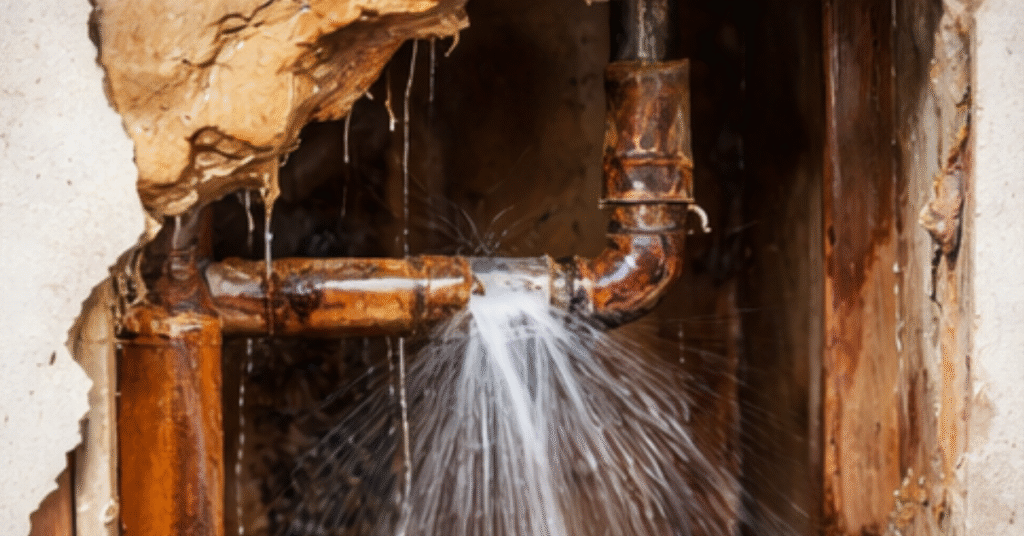
A flooded basement is one of the most stressful emergencies a Portland homeowner can face—especially during heavy rains or winter thaws. Left untreated, standing water can quickly lead to mold growth, foundation damage, and electrical hazards. This step-by-step guide walks you through exactly what to do after discovering basement flooding, how to minimize risks, and when to bring in professionals like Einstein Pros for emergency plumbing and water mitigation.
Why Basement Flooding Is Common in Portland
Portland’s rainy season and aging infrastructure make basements especially vulnerable to water intrusion. Overflowing storm drains, broken sump pumps, burst pipes, or groundwater seepage can all trigger flooding. According to the City of Portland Bureau of Environmental Services, heavy rainfall can overwhelm drainage systems, leading to basement backups and localized flooding.
If you act quickly, you can avoid long-term mold, structural weakening, and costly repairs.
Step 1: Ensure Safety First — Turn Off Utilities
Before stepping into a flooded basement:
- Cut the electricity to the affected area at the breaker panel.
- Avoid touching standing water if electrical components are nearby.
- If you suspect gas leaks or structural damage, leave the home immediately and call utility providers.
The American Red Cross advises shutting off utilities before entering flooded areas for personal safety.
Step 2: Identify the Water Source
Understanding where the water is coming from determines your next move:
| Source | Action |
|---|---|
| Burst Pipe | Shut off main water valve and contact plumbing pros |
| Stormwater / Groundwater | Assess sump pump failure or drainage issue |
| Sewer Backup | Requires immediate sanitation precautions |
If plumbing failure is suspected, call Einstein Pros for emergency diagnosis and repairs to prevent re-flooding.
Step 3: Begin Water Removal Immediately
The goal is to remove standing water as fast as possible:
- Wet/Dry Vacuums for minor flooding
- Portable Pumps for deep water
- Professional Extraction for significant flooding or contaminated water
According to FEMA, water should be removed within 24–48 hours to prevent irreversible damage and mold growth.
Step 4: Dry and Dehumidify Thoroughly
After water removal:
- Open windows for ventilation (weather permitting)
- Use dehumidifiers and industrial fans
- Remove wet drywall, insulation, carpet, and cardboard
The U.S. Environmental Protection Agency (EPA) warns that mold can begin growing in just 24 hours on damp surfaces.
Step 5: Clean and Sanitize the Basement
Standing water—especially from storms or sewers—introduces bacteria, chemicals, and toxins:
- Scrub hard surfaces with non-ammonia detergent
- Disinfect with bleach solution (1 cup per gallon of water)
- Dispose of porous materials (carpet, fabrics, cardboard)
Do not mix bleach with ammonia products, as it produces toxic fumes.
Step 6: Inspect Structural Damage
Floodwater can weaken:
- Foundation walls and slab
- Support beams and framing
- Electrical systems & insulation
Have an expert inspect for cracks, shifting, and compromised structural integrity. Einstein Pros provides assessment for flood-related plumbing and foundation seepage issues to prevent future failures.
Step 7: Prevent Mold Infestation
Mold can become hazardous quickly if left unchecked:
- Use moisture meters on walls and floors
- Inspect inner wall cavities
- Apply mold-inhibiting treatments to wood and concrete
If mold growth is suspected, prioritize professional remediation immediately. Use resources from EPA’s Mold Remediation Guide for safe handling.
Step 8: Document Everything for Insurance
Before you throw anything away:
- Take photos/videos of flooding and damaged belongings
- Keep receipts for equipment rentals or professional services
- File a claim with your homeowners or flood insurance policy
FEMA recommends documenting damage thoroughly for faster claims and reimbursement.
Step 9: Correct the Underlying Cause
Flood recovery isn’t complete until you address the root issue:
- Install or service sump pump with battery backup
- Seal foundation cracks and window wells
- Clear gutters and downspouts
- Install backflow prevention devices
For plumbing-related failures, Einstein Pros offers comprehensive repair and prevention services tailored to Portland homes, helping you stay safe through future storms.
Pro Tips to Prevent Basement Flooding in Portland
✔ Schedule annual plumbing inspections
✔ Test sump pumps before rainy season
✔ Maintain exterior drainage & downspout extensions
✔ Insulate pipes before winter to avoid bursts
When to Call Einstein Pros for Emergency Basement Flooding
If you notice any of the following, it’s time to call an expert:
- Recurring basement flooding
- Sewage backups or foul odors
- Visible mold or wall bubbling
- Frozen or burst pipes in winter
Einstein Pros delivers 24/7 emergency plumbing services throughout Portland, equipped to stop flooding at the source and protect your home long-term.
👉 Need Immediate Help? Visit Einstein Pros Emergency Plumbing
Final Takeaway
A flooded basement is not just an inconvenience—it’s a race against time to protect your home, health, and finances. With fast action, proper drying, and professional follow-up, you can stop mold growth, preserve your structure, and prevent future disasters. Keep this guide handy and trust local experts like Einstein Pros to keep Portland basements safe, dry, and protected year-round.