
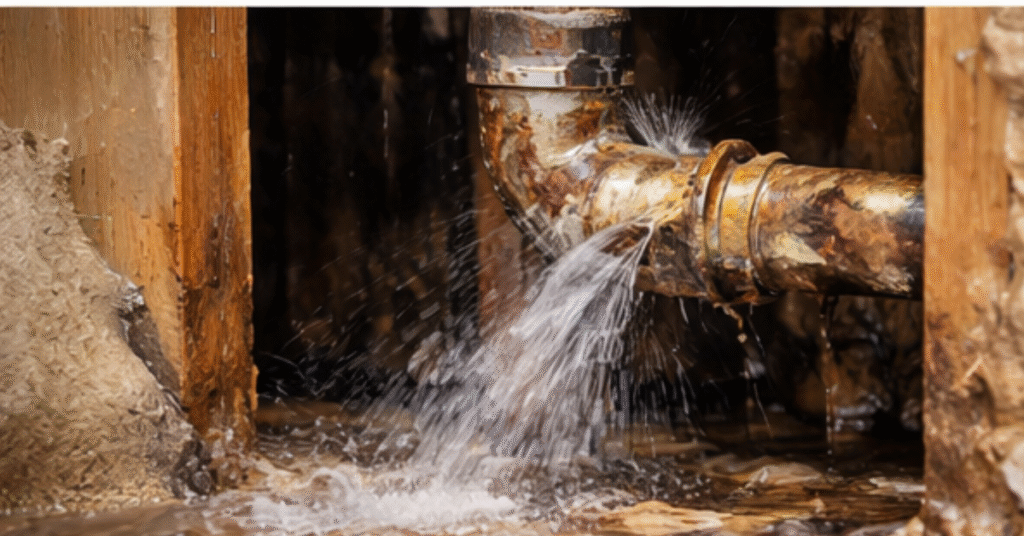
Portland winters may be milder than many regions across the Pacific Northwest, but freezing temperatures still occur and can wreak havoc on residential plumbing. Frozen pipes are among the most urgent winter emergencies for homeowners. When water freezes inside your pipes, it expands, increasing pressure and potentially causing pipes to crack or burst. A single burst pipe can leak hundreds of gallons per hour—damaging walls, flooring, insulation, and personal belongings.
At Einstein Pros, we’ve helped countless Portland homeowners respond to frozen pipe emergencies. This guide will walk you through three critical areas: prevention, emergency shut-offs, and quick fixes—so you’re ready before damage strikes.
Why Frozen Pipes Are a Serious Portland Winter Risk
While Portland doesn’t see prolonged subzero winters, overnight dips below 32°F are common from late November through February. Homes with exposed plumbing, especially in crawl spaces, garages, attics, and exterior walls, face a significant risk. Older Portland homes, many built before modern insulation standards, are especially vulnerable.
The most common pipe materials affected:
- Copper pipes – prone to bursting due to rigidity
- PVC/PEX pipes – flexible but can still crack if extreme pressure builds
Warning Signs of Frozen Pipes
Recognizing early symptoms can prevent a major emergency:
- Reduced or no water flow from faucets
- Visible frost or condensation on exposed pipes
- Unusual banging or clanking sounds (ice blockage pressure)
- Wet drywall or ceiling spots (possible cracks or small leaks)
Action Step: At the first sign of freezing, avoid turning on high water pressure. Instead, locate your main water shut-off valve immediately.
How to Locate and Use Your Emergency Water Shut-Off
If a pipe bursts or you suspect one has, shutting off the water supply quickly limits damage.
Where to Find Shut-Off in Portland Homes:
- Basement or crawl space: Often near the front foundation wall
- Garage utility wall: Close to water heater or laundry hookups
- Exterior curbside box: “Water meter box” near the street (may require a curb key or wrench)
Tip: Test your main shut-off valve every 6 months to ensure it turns freely. Valves that haven’t been touched for years can seize.
For an illustrated guide and professional step-by-step shut-off support, visit Einstein Pros’ Emergency Plumbing Page.
How to Safely Thaw a Frozen Pipe
Once the main water is shut off, you can attempt safe thawing. Do not use open flames or propane torches—these can cause fire hazards and pipe damage.
Safe Thawing Methods:
- Hair Dryer or Heat Gun: Move slowly along the pipe starting near the faucet
- Warm Towels: Soak in hot water and wrap around the frozen area
- Space Heater: Place in enclosed areas like crawl spaces or under sinks
Keep faucets slightly open while thawing. As ice melts, it lets built-up pressure escape gradually, preventing bursts.
Long-Term Prevention for Portland Winters
1. Insulate Vulnerable Pipes
Apply foam insulation sleeves or wrap pipes with heat tape in:
- Garages
- Crawl spaces
- Exterior walls
- Unheated basements
2. Seal Drafts & Gaps
Check for cold air leaks around foundation vents, sill plates, and pipe penetrations. Use caulk or expanding foam to seal gaps.
3. Maintain Interior Heat
Never let your home’s temperature fall below 55°F, even when away. Cabinet doors under sinks should be left open during cold snaps to allow warm air circulation.
4. Let Faucets Drip in Freezing Nights
A slight cold-water drip relieves pressure and keeps water moving—especially in long pipe runs.
Quick Fixes When a Pipe Bursts
If you discover a crack or leak after thawing:
- Immediately shut off main water
- Drain remaining water by opening all faucets
- Apply a temporary patch using a pipe repair clamp or rubber + hose clamp wrap
- Contact a professional immediately for full repair and inspection
Even a small split may indicate other weak points in your plumbing system.
To book emergency service or inspection, visit
Einstein Pros: Emergency Pipe Repair Services (internal service link)
Frequently Asked Questions (FAQ)
Q: Can frozen pipes thaw on their own?
Yes, but it’s risky. Pressure can build unnoticed, causing sudden bursts once the ice melts.
Q: Should I shut off water before thawing?
Yes—always shut off water at the main valve to prevent flooding if the pipe has cracked.
Q: Are outdoor hose bibs high-risk?
Absolutely. Disconnect hoses and install frost-proof covers by November.
Internal Links You Should Include in the Blog:
- Einstein Pros Emergency Plumbing Services (link)
- Winter Plumbing Preparedness Guide (link)
- Signs You Need a Professional Pipe Inspection (link)
Final Thoughts: Be Proactive, Not Reactive
Winter plumbing emergencies don’t give warnings—they arrive suddenly and often at night or during holidays. By understanding how to identify frozen pipes, locate your shut-off valve, and take safe thawing steps, you can prevent catastrophic water damage.
Einstein Pros is committed to helping Portland homeowners protect their homes year-round. Whether you need precautionary winterization or urgent burst pipe repair, our licensed team is ready to assist.
Sources:
Learn more about preparing your plumbing for rainy seasons
Understand combined sewer overflow systems