
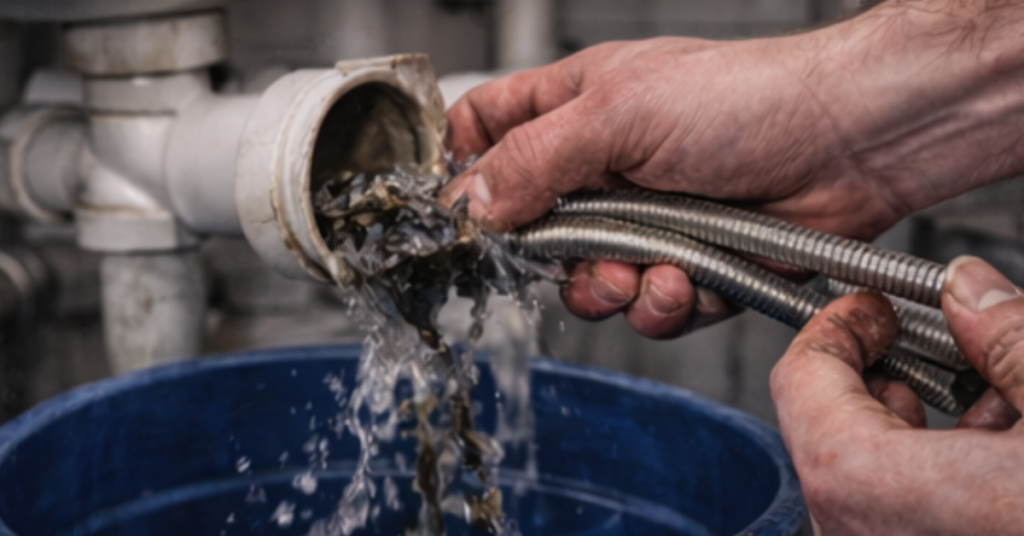
If you live in Portland, Oregon, you know how unpredictable weather can be during storm season. Heavy rain and saturated ground can quickly turn into a costly basement flooding event if your home isn’t prepared. Water damage from flooding doesn’t just ruin floors and furniture — it can weaken your home’s foundation, encourage mold growth, and jeopardize indoor air quality. That’s why understanding how sump pumps and backflow prevention work can be one of the smartest preparations you make before the next big storm. Visit Einstein Pros Portland now!
Why Basement Flooding Happens in Portland
Portland receives more than 36 inches of rain annually, and heavy storm events can overload both municipal drainage systems and the ground around your foundation. When soil becomes saturated, water seeks the lowest point — often your basement floor or crawl space. Without a way to actively remove that water, flooding becomes a real risk.
A basement flood can start from groundwater seepage, surface runoff pooling around your home, or sewer system overloads that push water back through your drains. Taking steps early in the season dramatically reduces your chances of finding puddles in your basement after a storm. Visit Einstein Pros Portland now!
What Is a Sump Pump and How Does It Help?
A sump pump is a specialized pump installed in a sump pit — a small basin dug into the lowest part of a basement or crawl space. When water accumulates around your foundation or seeps into the pit through drainage tiles or natural groundwater flow, the sump pump activates and pumps that water outside and away from the house. This keeps water from rising high enough to damage flooring, walls, or stored items. (Wikipedia)
Most sump pumps include a float switch that automatically turns the pump on when water reaches a certain level. Because these systems are mechanical, regular testing and maintenance are critical to ensure they work when needed most.
Preparing Your Sump Pump for Storm Season
Before the first forecasted heavy rain:
1. Test Your Sump Pump
Pour a bucket of water into the sump pit to check that your sump pump starts automatically and removes the water efficiently. If it doesn’t run, shuts off too quickly, or sounds strained, you may have a mechanical issue or blockage. Regular testing prevents surprise failures at peak demand. (Southern Living)
2. Inspect the Discharge Line
Water pumped from the basement has to go somewhere. Make sure the discharge line is clear, directed outward, and ends far enough from the foundation so discharged water doesn’t simply return to the same area. Additionally, municipality rules often prohibit discharging directly into sewer systems, as that can contribute to overloading during storms. (extension.sdstate.edu)
3. Check the Pump’s Power Source
Storms often cause power outages. If your sump pump loses power, it won’t pump water just when you need it most. A battery backup system gives your pump power even during an outage, keeping your basement dry when electricity isn’t available.
4. Test or Add a Secondary Pump
Homes at high flooding risk can benefit from a secondary (or backup) sump pump. If the primary fails or gets overwhelmed by water volume, the backup kicks in and provides an extra layer of protection. This redundancy is especially valuable in regions like Portland where storms can be intense.
Understanding Backflow and Why It’s a Risk
Backflow refers to water or sewage flowing the wrong direction back into your home’s plumbing system. During heavy rainfall, municipal sewer systems can become overloaded. If there’s nowhere for sewer water to go, it can be forced back into residential pipes. In a basement scenario, that often means sewage entering drains and even fixtures below grade, creating a major flood and health hazard.
To prevent this, property owners often install backflow prevention devices (also known as backwater valves). These valves permit normal wastewater to exit your home, but automatically close if water tries to flow backward into the system.
The Portland Water Bureau requires backflow prevention devices in certain situations to protect the public water supply and plumbing systems. These devices must be tested annually and maintained to ensure they function properly when needed. (Portland.gov)
Backflow Prevention Basics
Backflow prevention devices are installed in your sewer line or drainage system where water might reverse direction due to pressure changes during heavy rain events. When properly installed and maintained, they act like a one-way gate — allowing wastewater out, but not in.
For homeowners, understanding backflow basics means:
- Knowing where your drain lines connect to the city sewer
- Confirming whether a backflow valve is present in your system
- Testing that valve annually to ensure it’s functioning
- Ensuring records of inspections and maintenance are up to date
Failure of a backflow valve during a storm can result in water or sewage flooding your lowest level — a mess that’s expensive to fix and hazardous to live with. Visit Einstein Pros Portland now!
Preparing for the Storm: Checklist
Here’s a quick checklist Portland homeowners can use to prepare for flooding:
- Test sump pump operation with freshwater
- Inspect and clear discharge lines
- Install or test battery backup for sump pump
- Confirm backflow prevention devices are in place and working
- Keep access clear to the sump pit and valve inspection points
- Direct landscaping and grading away from the foundation
- Review homeowner policies for flood response
Final Thoughts
Heavy rain and flooding don’t have to spell disaster for your basement. With proactive sump pump testing, thoughtful backflow prevention, and careful attention to how water moves around your home, you can significantly lower your risk of water damage.
For Portland homeowners, preparing early and knowing how these systems work isn’t just good planning — it’s smart protection for one of your biggest investments. Visit Einstein Pros Portland now!
Sources
Sump Pump Fundamentals:
- Sump pump overview and function, Wikipedia: https://en.wikipedia.org/wiki/Sump_pump (Wikipedia)
Testing and Preparation Tips:
- How often to test your sump pump, Southern Living (news): https://www.southernliving.com/how-often-should-you-test-your-sump-pump-11828737 (Southern Living)
Pump Discharge & Flood Considerations:
- Flooding and sump pump guidance, SDSU Extension: https://extension.sdstate.edu/flooding-and-sump-pumps(extension.sdstate.edu)
Backflow Prevention:
- Backflow assembly installation requirements, Portland Water Bureau: https://www.portland.gov/water/backflow-prevention/backflow-assembly-installation-requirements (Portland.gov)
Einstein Pros Prep Reference:
- Flood-proofing basement general guide, Einstein Pros Portland: https://einsteinprosportland.com/flood-proofing-basement/ (Einstein Pros Plumbing Portland)