
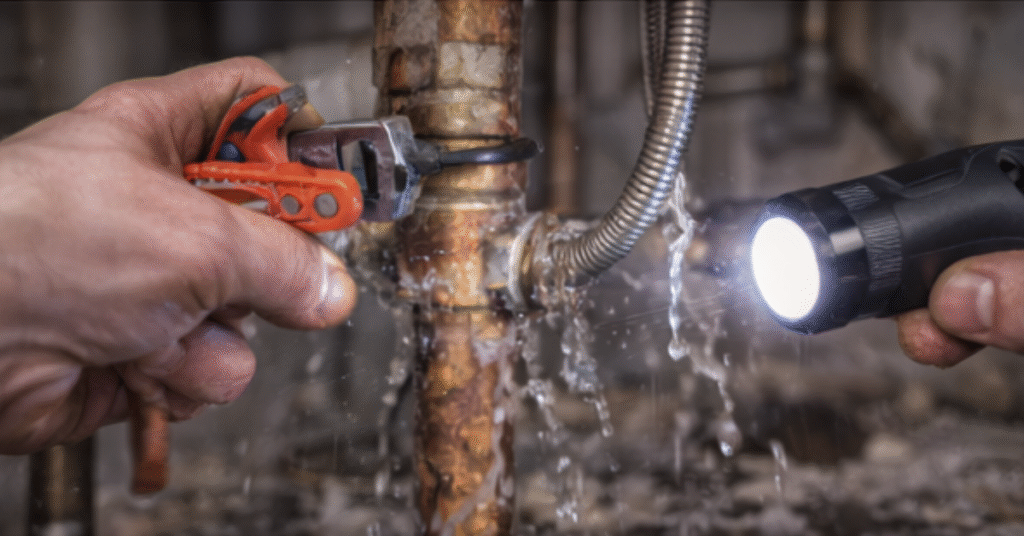
Portland winters are known for rain, damp cold, and occasional freezing temperatures that catch many homeowners off guard. While the city does not experience extended deep freezes like other parts of the country, even a short cold snap can cause frozen pipes—leading to burst lines, water damage, and expensive repairs.
At Einstein Pros, we help Portland homeowners protect their plumbing systems year-round. Understanding why pipes freeze and how to prevent it is one of the most effective ways to avoid winter plumbing emergencies.
Below is a comprehensive guide to preventing frozen pipes during Portland’s coldest months.
Why Frozen Pipes Are a Common Winter Problem in Portland
Frozen pipes occur when water inside the pipe freezes and expands, increasing pressure until the pipe cracks or bursts. According to the American Red Cross, even small temperature drops below 32°F can cause freezing, especially in exposed or uninsulated pipes.
Portland homes are particularly vulnerable because:
- Many houses have older plumbing
- Pipes often run through crawl spaces or exterior walls
- Sudden temperature drops are common
- Homes are not always winterized for prolonged freezing
Identify Pipes Most at Risk of Freezing
Knowing where problems usually occur allows homeowners to take proactive action. Pipes most likely to freeze include:
- Pipes in crawl spaces or basements
- Plumbing along exterior walls
- Outdoor hose bibs and irrigation lines
- Pipes in garages or attics
The U.S. Department of Energy notes that uninsulated pipes are significantly more likely to freeze, even during short cold spells.
Insulate Pipes Before Temperatures Drop
Pipe insulation is one of the most effective preventative measures. Foam pipe sleeves or fiberglass insulation help maintain water temperature and reduce heat loss.
Focus insulation on:
- Exposed copper or PEX piping
- Crawl spaces
- Under-sink plumbing on exterior walls
The Environmental Protection Agency recommends insulation as part of a complete winterization strategy to protect both plumbing and indoor air quality.
Keep Water Moving During Freezing Weather
Standing water freezes faster than flowing water. During extreme cold:
- Allow faucets connected to vulnerable pipes to drip slowly
- Keep cabinet doors open to circulate warm air
- Avoid shutting off heat in unused areas of the home
According to This Old House, even a small trickle of water can relieve pressure and prevent pipes from freezing solid.
Disconnect and Drain Outdoor Plumbing
Outdoor plumbing is often the first to freeze. Before winter:
- Disconnect all garden hoses
- Shut off exterior water valves if available
- Drain hose bibs completely
The Centers for Disease Control and Prevention highlights frozen outdoor plumbing as a leading cause of burst pipes during winter storms.
Maintain Consistent Indoor Heat
Many frozen pipe incidents occur when homeowners leave town and turn the heat too low. Even short absences can lead to freezing.
Best practices:
- Keep thermostats set above 55°F
- Use programmable thermostats for consistency
- Ask someone to check your home during extended absences
Seal Drafts and Air Leaks
Cold air entering through gaps can rapidly lower pipe temperatures. Inspect areas where pipes enter walls or floors and seal them using:
- Caulk
- Spray foam insulation
- Weather stripping
The U.S. Department of Housing and Urban Development identifies air sealing as a critical step in winter home protection.
Know What to Do If Pipes Begin to Freeze
If you suspect a frozen pipe:
- Turn off the main water supply
- Open affected faucets
- Apply gentle heat (hair dryer or warm towels)
- Avoid open flames or high-heat tools
If you are unsure or cannot access the pipe safely, it’s best to contact a professional immediately.
Why Portland Homeowners Trust Einstein Pros
Preventing frozen pipes requires local knowledge, experience, and proper preparation. Einstein Pros understands Portland’s unique climate, home construction styles, and seasonal risks.
We help homeowners:
- Identify vulnerable plumbing areas
- Prepare homes before winter storms
- Address issues before they become emergencies
Learn more about protecting your plumbing by visiting Einstein Pros and exploring our Portland plumbing resources.
Final Thoughts
Frozen pipes are one of the most preventable winter plumbing issues. With proper insulation, preparation, and awareness, Portland homeowners can protect their homes from costly damage during cold weather.
Taking action before temperatures drop is the key. A small investment in prevention can save thousands in repairs—and ensure peace of mind all winter long.