
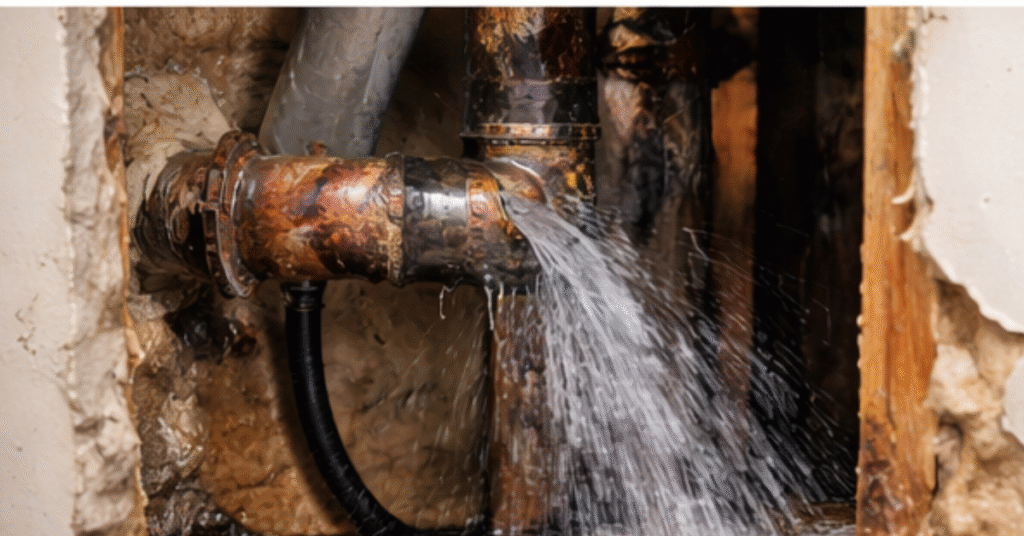
A sewer backup is one of the most urgent and hazardous plumbing emergencies a homeowner can face. When wastewater has nowhere to go and begins flowing back into your home, it poses serious health risks, structural damage, and costly repairs. In Portland, where heavy winter rains and older sewer systems are common, knowing how to respond quickly is essential.
In this guide, you’ll learn the immediate steps to take when a sewer backup occurs, how to protect your home and family, and when it’s critical to call a licensed emergency plumber like Einstein Pros.
Step 1: Stop Using All Water in the Home
The first sign of a sewer backup often appears in the lowest drains—such as basement floor drains, first-floor toilets, or shower stalls. If you notice gurgling, foul smells, or wastewater emerging, immediately stop using all plumbing fixtures. Continuing to run water will force more sewage into your home.
According to the Environmental Protection Agency (EPA), sewage contains harmful bacteria, viruses, and parasites that can cause severe illness. Avoid contact with contaminated water and prevent anyone, especially children and pets, from entering affected areas.
Step 2: Shut Off Electricity in Affected Areas
If water is rising near electrical outlets, appliances, or wiring, shut off power to that area at your breaker panel. Standing water combined with electricity is extremely dangerous. Do not walk through sewage-contaminated water to reach the panel—stay safe above all else.
Step 3: Identify if the Backup Is Local or Main Line
To determine if the problem is isolated to a single fixture or part of a larger main sewer line issue, test an unaffected drain or toilet (only if safe). If multiple fixtures are backing up simultaneously, it’s likely a main line blockage.
Older Portland neighborhoods with mature tree roots and aging pipes are especially prone to main sewer line intrusions, as noted by the City of Portland Bureau of Environmental Services.
Step 4: Avoid DIY Chemical Drain Cleaners
It may be tempting to use chemical drain openers, but these products can worsen the problem, damage pipes, and pose risks when mixed with sewage. The EPA also warns against improper use of chemical cleaners due to environmental hazards.
Instead, focus on containing the situation and preparing for emergency intervention.
Step 5: Protect Your Home and Belongings
If safe, place barriers such as towels or sandbags around doorways to prevent sewage from spreading to clean areas. Move furniture, valuables, and electronics to higher ground. Use waterproof bins or heavy-duty trash bags to temporarily store items away from affected zones.
For health safety, do not attempt to clean raw sewage without proper protective gear such as gloves, boots, and masks.
Step 6: Call a Licensed Emergency Plumber (Einstein Pros)
A sewer backup is not a typical clog—professional assistance is essential. Contact Einstein Pros for immediate emergency plumbing services in Portland. Their team is equipped to locate the blockage, clear the line, and inspect for structural damage using cameras and hydro-jetting equipment.
Unlike general drain issues, sewer backups require expert handling to prevent recurrence and to ensure compliance with local Portland plumbing regulations.
Step 7: Document Damage for Insurance Claims
Take photos and videos of affected areas, keeping a record of any loss or damage. According to guidance from FEMA, detailed documentation is crucial for homeowners insurance claims involving water or sewage damage.
Avoid discarding damaged property until an insurance adjuster has reviewed the site.
Step 8: Professional Cleanup and Disinfection
Once the line is cleared, a proper cleanup is mandatory. Sewage contains biohazards that can linger long after visible signs are removed. Professional remediation companies use industrial disinfectants, extraction equipment, and dehumidifiers to eliminate mold risks and sanitize surfaces.
The Centers for Disease Control and Prevention (CDC) recommends cleaning all impacted areas within 24–48 hours to prevent long-term health hazards.
Common Causes of Sewer Backups in Portland Homes
- Tree Root Intrusion: Common in older neighborhoods where roots invade clay or cast-iron pipes.
- Heavy Rainfall and Storm Surges: Portland’s wet winters can overwhelm combined sewer systems, pushing water backward.
- Aging Infrastructure: Homes built decades ago may have outdated plumbing vulnerable to collapse.
- Grease and Non-Flushable Waste: Items like wipes, fats, and paper towels accumulate and cause blockages.
Warning Signs of an Impending Backup
- Slow drainage in multiple fixtures
- Gurgling noises in toilets or drains
- Foul sewage odors indoors
- Water pooling around floor drains
If you notice any of these signs, schedule an inspection with Einstein Pros before an emergency occurs.
How to Prevent Future Sewer Backups
Schedule Annual Sewer Line Inspections
Camera inspections can identify cracks, root intrusion, and buildup before disaster strikes.
Install a Backwater Valve
A backwater valve allows wastewater to flow out but not back into your home. The City of Portland encourages homeowners in flood-prone areas to install these protective devices.
Practice Smart Disposal Habits
Never flush wipes, dental floss, feminine products, or paper towels. Dispose of grease in sealed containers, not sinks.
When to Call Einstein Pros Immediately
Call Einstein Pros if you experience:
- Wastewater coming up through multiple drains
- Backflow after heavy rain
- Sewage in bathtubs or showers
- Sewer gas odors indoors
Delaying a response can result in extensive damage to flooring, drywall, insulation, and personal property—and increase health risks.
In Portland, fast action is everything when a sewer backup hits. By knowing the steps above and relying on trusted professionals like Einstein Pros, you can minimize damage, protect your family, and restore safety to your home.
For emergency plumbing services or preventive sewer line inspections, visit Einstein Pros.
Stay prepared this season—consider printing a sewer backup emergency checklist and keeping it accessible near your main water shut-off.