
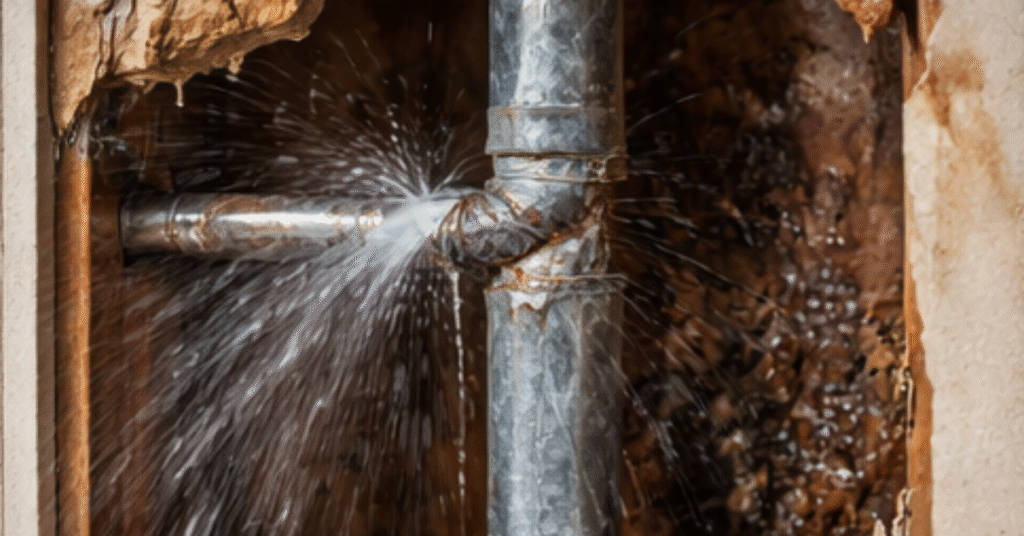
When winter storms sweep across Portland, heavy rain and rising groundwater make sump pumps one of the most critical home defenses. But what happens when the pump fails—often at the worst possible time? A malfunctioning or overwhelmed sump pump can flood your basement within hours, resulting in thousands of dollars in water damage, mold growth, and structural problems.
This emergency guide—created specifically for Portland homeowners—covers what to do immediately when your sump pump stops working, how to prevent long-term damage, and ways to get your pump back online before disaster strikes. As always, for reliable emergency plumbing and sump system expertise, Einstein Pros is your trusted local partner.
Why Sump Pumps Fail in Portland Homes
Portland’s saturated winter soil and frequent atmospheric river events force sump pumps to work overtime. The City of Portland warns homeowners that improper drainage or pump malfunction can quickly lead to basement flooding. Common failure causes include:
- Power Outages: Heavy storms often knock out electricity, rendering electric pumps useless.
- Clogged Discharge Lines: Ice, debris, or rodents can block pipes, pushing water back into the home.
- Float Switch Malfunctions: The float gets stuck, causing the pump to fail to activate.
- Mechanical Wear and Tear: Aging pumps or poorly maintained systems simply burn out.
The Federal Emergency Management Agency (FEMA) emphasizes that even one inch of water in a basement can cost over $25,000 in repairs. That’s why immediate action during a sump pump failure is crucial.
Emergency Steps: What to Do When Your Sump Pump Stops Working
1. Cut Power and Inspect Safely
Before touching any standing water, turn off electricity to the basement at the breaker panel. Water and live electrical lines are a fatal combination.
2. Check the Float and Internal Debris
Lift the sump pit cover and inspect the float switch. If it’s stuck against the side of the basin, gently reposition it. Remove any visible sediment, gravel, or debris.
Tip: Do not use chemical drain cleaners—these can damage the pump and pit.
3. Test the Pump Manually
Unplug the pump for 30 seconds, then plug it back in. Listen. A humming but non-pumping motor suggests a blockage or internal mechanical failure.
4. Remove Water Immediately (Even Without a Pump)
Standing water must be addressed within 24–48 hours to prevent mold growth, according to the U.S. Environmental Protection Agency (EPA) (EPA Mold Guide). Use:
- A wet/dry shop vacuum,
- Buckets, or
- A portable utility pump if available.
5. Inspect the Discharge Line
Walk outside to where your pump expels water. Check for snow, ice, leaves, or rodent nests clogging the pipe. If blocked, clear it to restore proper drainage.
6. Install a Temporary Backup (If Available)
During severe weather, consider installing:
- Battery Backup Pump – operates during outages,
- Water-Powered Backup – uses municipal water pressure, no electricity required.
Backup pumps are strongly recommended for homes in low-lying Portland areas and older basements with chronic seepage.
Preventing Basement Flooding After Failure
Act Within the Golden 48 Hours
The EPA stresses that mold begins forming within 48 hours of water intrusion. Remove soaked carpet, drywall, or stored cardboard immediately. Use portable fans and dehumidifiers to dry the space.
Document the Damage for Insurance
FEMA suggests photographing affected areas before cleanup for claims (FEMA Home Flood Claims). Many Portland insurers require proof of “sudden mechanical failure.”
Clean and Disinfect
Use a non-bleach antimicrobial cleaner on floors and walls. Bleach is not recommended in enclosed areas due to fumes.
Long-Term Solutions to Avoid Repeat Failures
| Preventative Measure | Benefit |
|---|---|
| Annual sump pump inspection | Catches motor or float failures early |
| Backup power system | Operates during winter outages |
| Discharge pipe insulation | Prevents freeze blockages |
| French drains/exterior grading | Reduces hydrostatic pressure |
Do Portland Building Codes Require a Backup Pump?
Backup systems are not required by Portland code, but homeowners in flood-prone basements are strongly encouraged to install one. Consult Oregon Residential Specialty Code for detailed sump installation regulations.
When to Call a Professional
If your pump is repeatedly cycling, making grinding noises, or fails to turn on even after reset, it may be burned out. Attempting major internal repairs without training can lead to electrical hazards or voided warranties.
That’s when it’s time to call Einstein Pros—your trusted plumbing and sump system experts in Portland. We provide emergency sump pump diagnosis, replacement, and backup installation to protect your home year-round.
Protect Your Portland Home This Winter
A sump pump failure is more than a plumbing issue—it’s a race against water damage. The cost of proactive maintenance is minimal compared to the catastrophic impact of a flooded basement.
Before the next storm hits:
- Test your pump monthly,
- Install a backup system,
- Keep Einstein Pros on standby for emergencies.
Need Emergency Help Right Now?
Visit Einstein Pros for fast, reliable plumbing service in Portland and protect your home from winter flood disasters.