
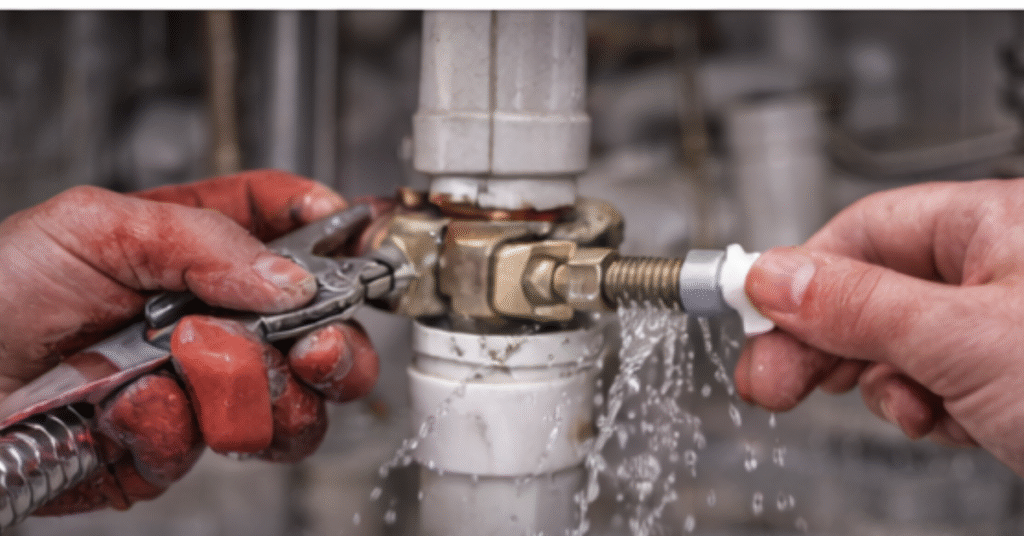
Plumbing emergencies are never convenient, but in Portland’s winter months, they can become especially disruptive. Cold snaps, heavy rain, aging infrastructure, and increased indoor water use all contribute to a spike in plumbing problems from January through February. Knowing what emergencies are most common—and how to prevent them—can save you thousands of dollars in repairs.
At Einstein Pros, we help Portland homeowners stay ahead of plumbing disasters with proactive maintenance and fast response when emergencies happen. Below are the top 10 plumbing emergencies in Portland and what you can do to avoid them.
1. Frozen Pipes
Frozen pipes are one of the most common winter plumbing emergencies in Portland. When water freezes, it expands, putting pressure on pipes until they crack or burst.
How to avoid it:
- Insulate exposed pipes in crawl spaces and garages
- Keep cabinets open to allow warm air circulation
- Let faucets drip during extreme cold
According to the American Red Cross, frozen pipes are a leading cause of winter water damage nationwide.
2. Burst Pipes
Burst pipes often follow freezing temperatures but can also result from corrosion or high water pressure. A single burst pipe can release hundreds of gallons of water in minutes.
How to avoid it:
- Schedule routine plumbing inspections
- Address low water pressure fluctuations early
- Replace aging pipes before they fail
The Insurance Institute for Business & Home Safety reports that pipe bursts are a major cause of winter insurance claims.
3. Sewer Line Backups
Portland’s older neighborhoods often deal with sewer backups caused by tree roots, heavy rainfall, or pipe deterioration.
How to avoid it:
- Avoid flushing wipes, grease, or hygiene products
- Have sewer lines inspected periodically
- Install a backwater valve if your home is prone to backups
The U.S. Environmental Protection Agency highlights sewer backups as a serious public health risk.
4. Water Heater Failure
Cold weather puts extra demand on water heaters. Sediment buildup or aging units can lead to sudden failure—often without warning.
How to avoid it:
- Flush the tank annually
- Check the anode rod
- Replace units nearing the end of their lifespan
The U.S. Department of Energy recommends regular maintenance to extend water heater life.
5. Overflowing Toilets
Overflowing toilets can result from clogs, sewer line issues, or faulty components inside the tank.
How to avoid it:
- Never flush paper towels or wipes
- Address slow flushing immediately
- Maintain sewer lines
The CDC warns that toilet overflows can spread harmful bacteria in the home.
6. Major Drain Clogs
Kitchen and bathroom drains clog more frequently in winter due to grease buildup and increased indoor use.
How to avoid it:
- Never pour grease down drains
- Use strainers in sinks and showers
- Schedule preventative drain cleaning
The EPA notes that fats, oils, and grease are a leading cause of drain and sewer problems.
7. Leaking Pipes
Small leaks can quickly become big emergencies if left unaddressed. Cold weather can worsen existing cracks or weak joints.
How to avoid it:
- Inspect pipes regularly
- Watch for water stains or musty odors
- Fix minor leaks promptly
According to WaterSense, household leaks waste nearly 1 trillion gallons of water annually in the U.S.
8. Sump Pump Failure
Heavy winter rain in Portland can overwhelm basements if sump pumps fail due to power loss or mechanical issues.
How to avoid it:
- Test sump pumps regularly
- Install a battery backup
- Clear debris from the pit
The Federal Emergency Management Agency (FEMA) recommends sump pump maintenance to prevent flooding.
9. Gas Line Issues
Gas line problems are rare but extremely dangerous. Signs include rotten egg odors or unexplained hissing sounds.
How to avoid it:
- Never attempt DIY gas repairs
- Schedule professional inspections
- Act immediately if you suspect a leak
The U.S. Consumer Product Safety Commission stresses immediate action when gas leaks are suspected.
10. Shut-Off Valve Failure
In an emergency, a faulty shut-off valve can prevent you from stopping water flow, increasing damage.
How to avoid it:
- Test shut-off valves annually
- Replace corroded or stuck valves
- Know your home’s main shut-off location
The American Society of Plumbing Engineers emphasizes the importance of accessible shut-off valves.
When to Call Einstein Pros
Even with the best prevention, plumbing emergencies can still happen. When they do, fast action matters. Einstein Pros provides reliable plumbing solutions for Portland homeowners, with a focus on safety, prevention, and long-term reliability.
Preparing now can help you avoid costly damage later—and keep your home running smoothly all winter long.