
As spring arrives in Portland, many homeowners notice an unpleasant and persistent issue: sewer smells inside the home. While it might seem like a minor nuisance at first, sewer odors can signal underlying plumbing problems that should not be ignored.
Portland’s unique climate—marked by heavy rainfall, temperature fluctuations, and lush vegetation—creates the perfect conditions for plumbing issues to surface in spring. Understanding why these smells occur and how to fix them quickly can help protect your home, your health, and your plumbing system.
Why Sewer Smells Are More Common in Spring
1. Dry P-Traps from Seasonal Changes
Every drain in your home has a P-trap—a curved pipe designed to hold water and block sewer gases from entering your home. During colder months or periods of low usage, water in these traps can evaporate.
When spring arrives and temperatures rise, dry P-traps become more noticeable because sewer gases can freely pass through.
According to the U.S. Environmental Protection Agency, plumbing systems rely on water seals to prevent harmful gases from entering indoor spaces.
Source: https://www.epa.gov/indoor-air-quality-iaq
Quick fix:
Run water in unused sinks, tubs, and floor drains for at least 30 seconds to restore the seal.
2. Increased Rainfall Overloading Sewer Systems
Portland’s spring season brings frequent rain, which can overwhelm municipal sewer systems. Excess water can push sewer gases back through household plumbing, especially if there are minor blockages or ventilation issues.
The City of Portland Bureau of Environmental Services notes that stormwater can impact sewer line performance and contribute to backups and odor issues.
Source: https://www.portland.gov/bes
Quick fix:
Check for slow drains or gurgling sounds—these are early warning signs that your system may be under pressure.
3. Tree Root Intrusion in Sewer Lines
Spring is peak growth season for trees and plants. Roots naturally seek moisture and can infiltrate tiny cracks in sewer pipes. Over time, they expand and cause blockages or leaks that release foul odors.
The International Association of Certified Home Inspectors explains that tree roots are one of the leading causes of sewer line damage in residential properties.
Source: https://www.nachi.org/sewer-line-problems.htm
Quick fix:
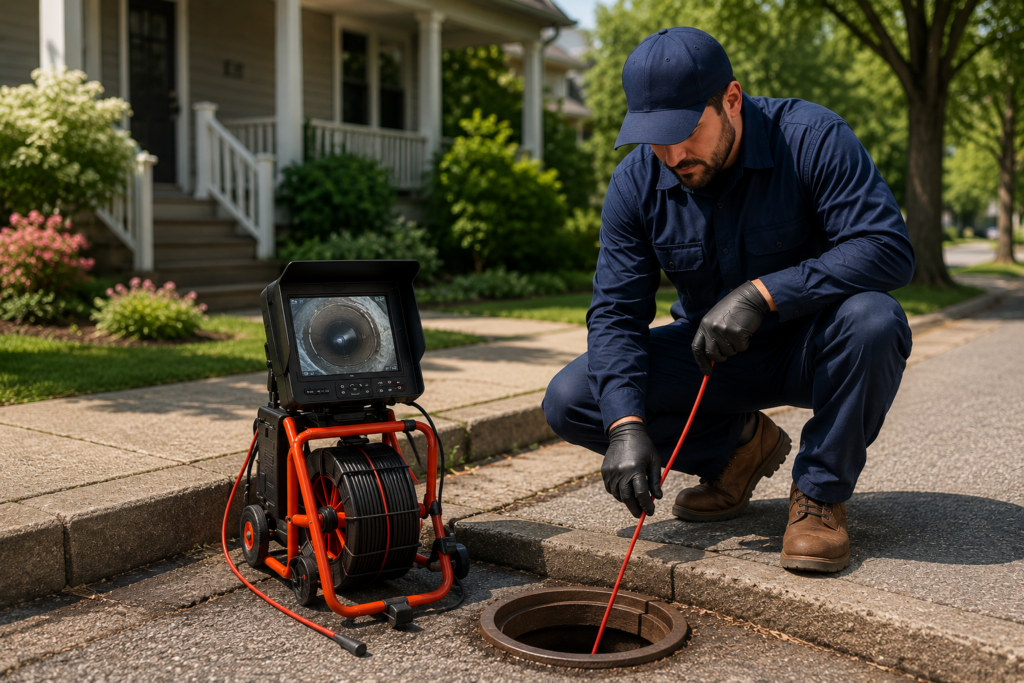
If multiple drains smell or clog simultaneously, you may need a professional sewer inspection.
4. Cracked or Damaged Sewer Pipes
Older homes in Portland are especially vulnerable to pipe deterioration. Seasonal ground movement—caused by rain saturation and temperature shifts—can crack pipes or loosen joints.
When pipes are damaged, sewer gases can escape before reaching the main sewer line.
The American Society of Home Inspectors highlights that aging plumbing systems are a major contributor to leaks and gas escape.
Source: https://www.homeinspector.org
Quick fix:
Persistent odors in one area of the home may indicate a localized pipe issue that requires professional repair.
5. Blocked or Poorly Ventilated Plumbing Systems
Your plumbing system relies on vent pipes (usually on the roof) to regulate air pressure and safely release sewer gases outdoors. Debris, bird nests, or buildup can block these vents—especially after winter.
When vents are blocked, gases have nowhere to go except back into your home.
The International Plumbing Code outlines the importance of proper venting to maintain safe air pressure and prevent gas intrusion.
Source: https://codes.iccsafe.org
Quick fix:
Look for signs like bubbling toilets or slow drainage across multiple fixtures.
Why You Shouldn’t Ignore Sewer Smells
Sewer odors are more than just unpleasant—they can pose real risks.
Exposure to sewer gases may lead to headaches, nausea, and respiratory irritation. In some cases, it may indicate bacteria or mold growth linked to moisture issues.
The Centers for Disease Control and Prevention warns that indoor air contaminants, including sewer gases, can impact health if left unresolved.
Source: https://www.cdc.gov/niosh/topics/indoorenv
Ignoring the problem can also lead to more expensive repairs over time, especially if the issue involves your main sewer line.
How to Fix Sewer Smells Fast
Here are practical steps you can take immediately:
Step 1: Flush All Drains
Run water in every sink, shower, and floor drain to refill P-traps.
Step 2: Check for Visible Leaks
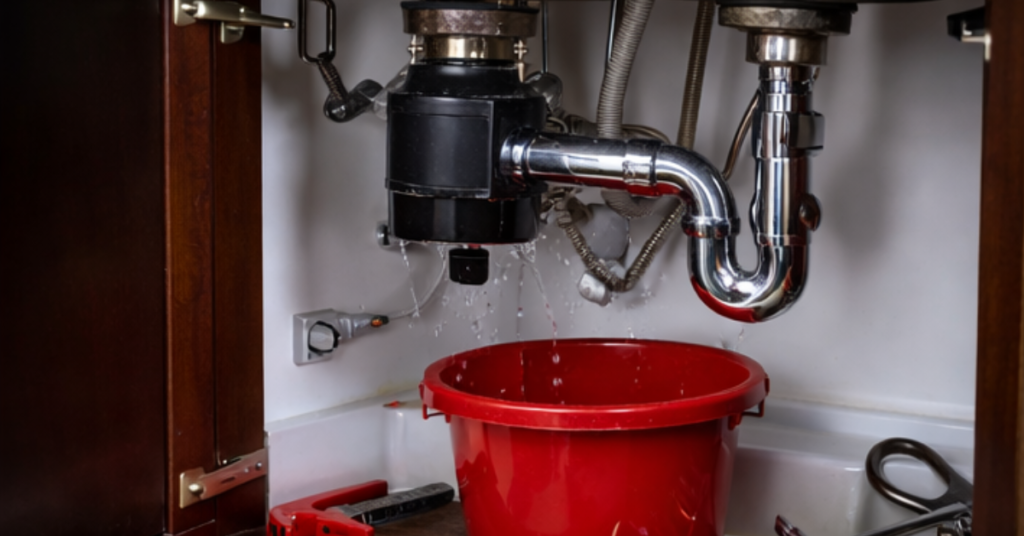
Inspect under sinks and around toilets for moisture or damage.
Step 3: Clean Your Drains
Use a safe, non-corrosive cleaner or a mixture of baking soda and vinegar to remove buildup.
Step 4: Inspect Vent Pipes (If Accessible)
If you can safely check your roof, ensure vents are not blocked.
Step 5: Schedule a Professional Inspection
If the smell persists, the issue is likely deeper in your plumbing system.
When to Call a Professional Plumber
You should contact a professional if:
- The smell is strong and persistent
- Multiple drains are affected
- You notice slow drainage or backups
- There are signs of water damage
- DIY fixes don’t work within 24–48 hours
For homeowners in Portland, getting expert help quickly can prevent more serious damage.
Einstein Pros provides fast, reliable plumbing diagnostics and solutions tailored to Portland’s unique climate and infrastructure. Whether it’s a blocked sewer line, damaged pipe, or ventilation issue, their team can identify the root cause and fix it efficiently.
Learn more or schedule service here:
https://www.einsteinprosportland.com
Preventing Sewer Smells in the Future
Prevention is key to avoiding recurring issues. Here’s what you can do:
- Run water in unused drains weekly
- Schedule annual plumbing inspections
- Avoid flushing grease, wipes, or debris
- Trim tree roots near sewer lines
- Install a backwater valve if your area is prone to backups
Consistent maintenance not only prevents odors but also extends the life of your plumbing system.
Final Thoughts
Sewer smells in spring are a common issue for Portland homeowners, but they should never be ignored. From dry P-traps to tree root intrusion, the causes can vary—but most problems can be resolved quickly with the right approach.
If basic fixes don’t eliminate the odor, it’s time to bring in professionals who understand local plumbing challenges. Acting early can save you time, money, and stress.