
Portland’s rainy season is a defining feature of life in the Pacific Northwest. While the steady rainfall keeps the region lush and green, it also creates unique challenges for residential plumbing systems. Excess moisture, saturated soil, and increased water demand can expose vulnerabilities that remain hidden during drier months.
Understanding the most common plumbing issues during this season can help homeowners take proactive steps, avoid costly repairs, and maintain a safe and efficient home. Below are the seven most frequent plumbing problems Portland homeowners encounter during the rainy season—and what you can do about them.
1. Sewer Line Backups
Heavy rainfall can overwhelm municipal sewer systems, increasing the risk of wastewater backing up into homes. When the ground becomes saturated, excess water can infiltrate sewer lines through cracks or weak joints.
Tree roots—common in Portland neighborhoods—also seek out moisture and can invade sewer pipes, causing blockages that worsen during storms.
Warning signs include:
- Gurgling drains
- Foul odors
- Water backing up in sinks or tubs
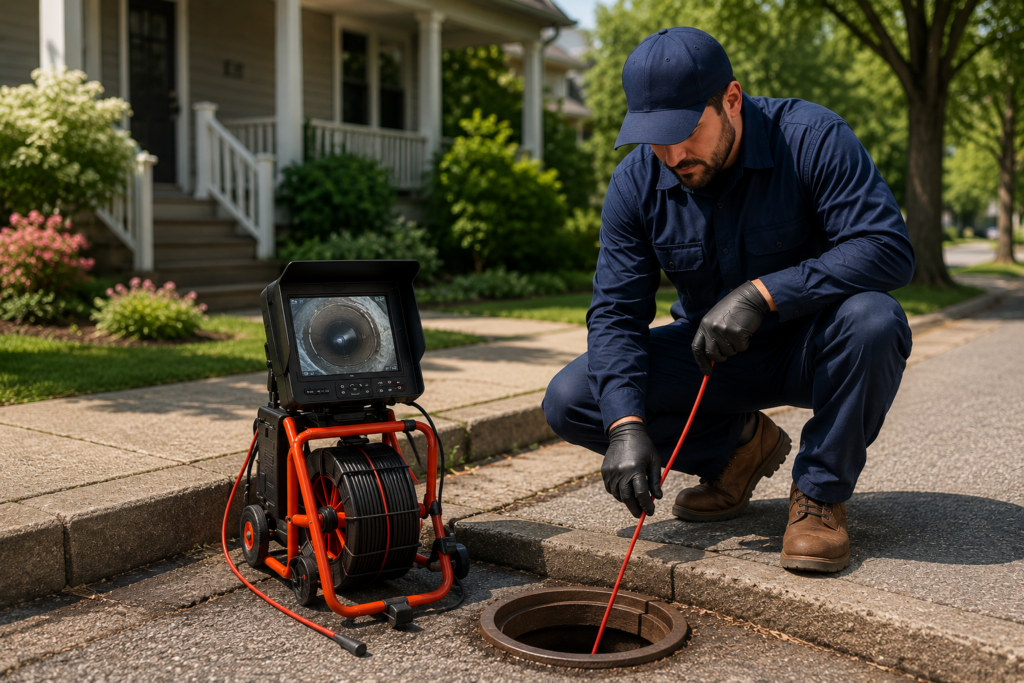
If you notice any of these issues, it’s important to act quickly. Professional inspection and cleaning can prevent a minor blockage from turning into a major backup. Learn more about how sewer systems are affected by moisture from the Environmental Protection Agency:
https://www.epa.gov/nps/nonpoint-source-urban-areas
2. Basement Flooding
Basement flooding is one of the most damaging issues during Portland’s rainy months. Poor drainage, foundation cracks, or failing sump pumps can allow water to seep into lower levels of the home.
According to the Federal Emergency Management Agency, even a small amount of water intrusion can lead to structural damage and mold growth:
https://www.fema.gov/flood-maps/products-tools/why-flood-maps-are-important
Common causes include:
- Clogged or broken sump pumps
- Improper grading around the home
- Cracks in foundation walls
Regular inspection of drainage systems and ensuring your sump pump is functioning properly can significantly reduce the risk.
3. Clogged Outdoor Drains and Gutters
Leaves, debris, and sediment can quickly clog outdoor drains and gutters during the rainy season. When water cannot flow freely, it pools around your home’s foundation, increasing the likelihood of leaks and structural damage.
The National Association of Home Builders emphasizes the importance of proper drainage to prevent water-related issues:
https://www.nahb.org/other/consumer-resources/avoiding-water-damage
Prevention tips:
- Clean gutters regularly
- Install gutter guards
- Ensure downspouts direct water away from your home
Neglecting these systems can lead to more serious plumbing and structural problems over time.
4. Sump Pump Failures
Sump pumps are essential for homes prone to flooding, especially in areas with heavy rainfall like Portland. However, they are often overlooked until they fail—usually at the worst possible time.
Power outages, mechanical failure, or lack of maintenance can render a sump pump ineffective when it’s needed most.
The American Society of Home Inspectors recommends regular testing and maintenance to ensure proper operation:
https://www.homeinspector.org/Homebuyers/Home-Maintenance
Best practices include:
- Testing your sump pump before the rainy season
- Installing a battery backup system
- Scheduling routine maintenance
A functioning sump pump can be the difference between a dry basement and costly water damage.
5. Leaky Pipes and Fixtures
Cold temperatures combined with increased water usage can stress pipes and fixtures, leading to leaks. Even small leaks can escalate quickly when combined with Portland’s damp conditions, contributing to mold growth and higher water bills.
The U.S. Geological Survey highlights how water waste from leaks can significantly impact both households and infrastructure:
https://www.usgs.gov/special-topics/water-science-school/science/water-use-united-states
Watch for:
- Unexplained increases in water bills
- Damp spots on walls or ceilings
- Musty odors
Addressing leaks early is crucial to preventing more extensive damage.
6. Water Heater Strain
During the rainy season, households tend to use more hot water—whether for showers, laundry, or cleaning. This increased demand can strain water heaters, especially older units.
Sediment buildup, common in many systems, can further reduce efficiency and lead to breakdowns.
The U.S. Department of Energy provides guidance on maintaining water heaters for optimal performance:
https://www.energy.gov/energysaver/water-heating
Signs of trouble include:
- Inconsistent water temperature
- Strange noises from the tank
- Reduced hot water supply
Routine maintenance and timely repairs can extend the lifespan of your water heater and ensure consistent performance.
7. Foundation and Pipe Shifting
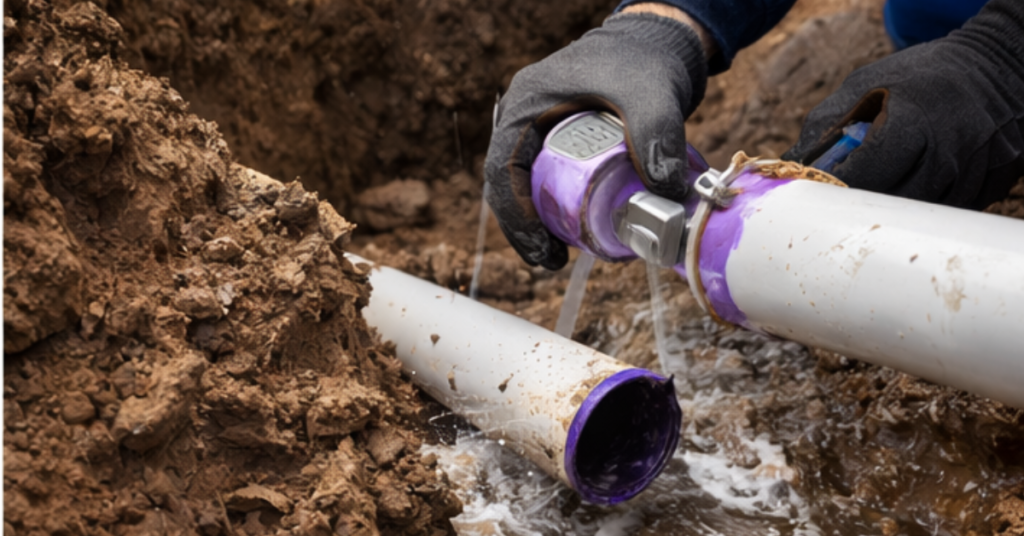
Excessive rainfall can cause soil to expand and shift, placing pressure on underground pipes and home foundations. Over time, this movement can lead to cracks, misaligned pipes, and leaks.
This issue is particularly common in older Portland homes with aging infrastructure.
The U.S. Geological Survey explains how soil saturation affects ground stability:
https://www.usgs.gov/special-topics/water-science-school/science/groundwater-and-soil
Potential consequences include:
- Cracked pipes
- Reduced water pressure
- Structural damage
Professional inspection can identify early signs of shifting and prevent more serious issues.
Protecting Your Home During Portland’s Rainy Season
While these plumbing issues are common, they are also largely preventable with proper maintenance and timely intervention. Scheduling regular inspections, keeping drainage systems clear, and addressing minor issues early can save homeowners significant time and money.
If you’re experiencing any of these problems or want to prepare your home before peak rainfall, it’s important to work with a trusted local professional. The team at Einstein Pros offers expert plumbing services tailored to Portland’s unique climate and infrastructure. Learn more or schedule a service here:
https://www.einsteinprosportland.com/
Final Thoughts
Portland’s rainy season doesn’t have to mean plumbing problems. By understanding the risks and taking proactive steps, homeowners can protect their properties and maintain efficient plumbing systems year-round.
From sewer backups to sump pump failures, each issue has clear warning signs and solutions. Staying informed—and acting early—is the key to avoiding costly repairs and ensuring peace of mind throughout the season.