

Clogged drains are one of the most common plumbing issues homeowners in Portland face. From slow-draining sinks to completely blocked pipes, these problems can disrupt daily life and, if ignored, lead to costly repairs. The big question many homeowners ask is simple: should you handle drain cleaning yourself, or call in a professional?
The answer depends on the severity of the clog, the tools available, and the potential risks involved. Understanding what actually works can save you time, money, and frustration.
Why Drains Clog in Portland Homes
Portland homes—especially older ones—are particularly prone to drainage issues. Over time, debris such as grease, soap residue, hair, and food particles build up inside pipes. Tree roots can also infiltrate underground sewer lines, causing major blockages.
According to the Environmental Protection Agency, grease and food waste are leading causes of household drain clogs and sewer backups (https://www.epa.gov/watersense). In addition, aging infrastructure and seasonal weather changes can worsen the problem.
DIY Drain Cleaning: What Works (and What Doesn’t)
Many homeowners attempt DIY drain cleaning first, and in some cases, this approach can be effective.
Methods That Can Work
1. Boiling Water
Pouring boiling water down the drain can help dissolve grease and soap buildup. This is one of the simplest and safest methods for minor clogs.
2. Baking Soda and Vinegar
This natural solution creates a chemical reaction that can loosen light debris. While not powerful enough for serious blockages, it can help maintain clean pipes.
3. Plunger
A plunger can be surprisingly effective for sinks, tubs, and toilets. It works by creating pressure that dislodges clogs.
4. Drain Snake (Auger)
A hand auger can remove hair and debris from shallow clogs. It’s a step up from basic DIY solutions and can handle moderate blockages.
Home improvement experts note that these methods are best suited for minor or early-stage clogs (https://www.thisoldhouse.com).
DIY Methods That Often Fail
Chemical Drain Cleaners
While widely available, these products can damage pipes over time and pose health risks. The U.S. Consumer Product Safety Commission has warned about injuries and pipe corrosion linked to these chemicals.
Repeated Temporary Fixes
If a clog keeps returning, it usually indicates a deeper issue that DIY solutions cannot resolve.
When DIY Isn’t Enough
DIY drain cleaning has its limits. If you notice any of the following signs, it’s time to consider professional help:
- Water backing up into sinks or tubs
- Multiple drains clogged at once
- Foul odors coming from drains
- Slow drainage despite repeated attempts to fix it
- Gurgling sounds in pipes
These symptoms often point to deeper blockages in your plumbing system or even sewer line issues.
Professional Drain Cleaning: What Makes It Effective
Professional plumbers use advanced tools and techniques that go far beyond what’s available to homeowners.
1. Drain Snaking (Professional Grade)
Unlike handheld augers, professional drain snakes can reach deeper into pipes and remove tougher clogs.
2. Hydro Jetting
This method uses high-pressure water to clear out grease, debris, and even tree roots. It’s one of the most effective ways to fully clean pipes.
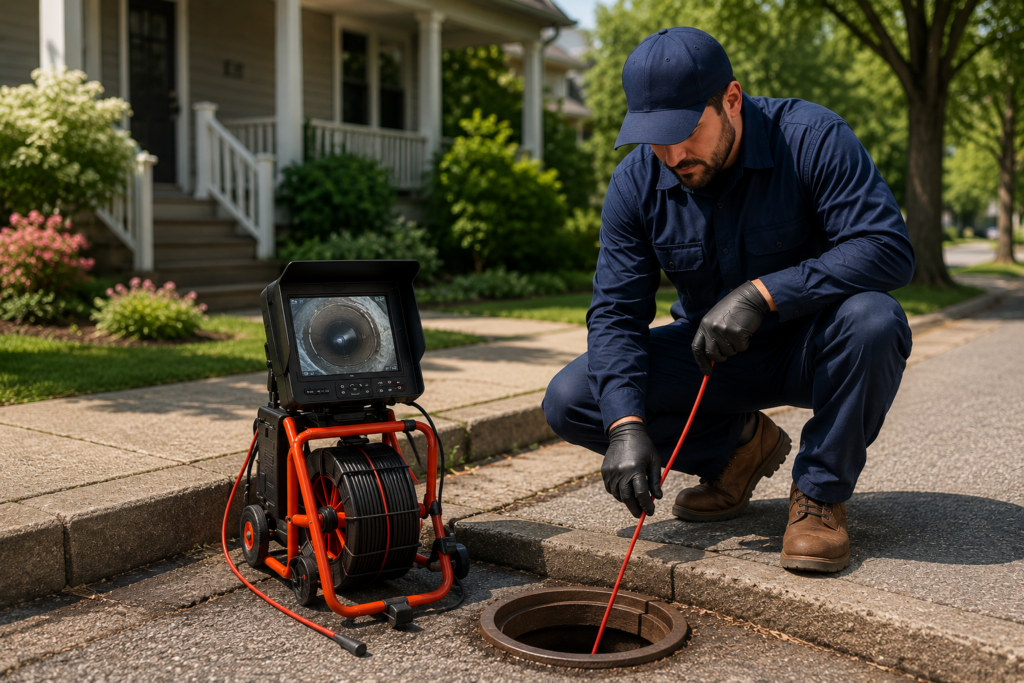
3. Camera Inspections
Plumbers can insert cameras into your pipes to identify the exact cause and location of the blockage. This eliminates guesswork and ensures the right solution.
Industry professionals emphasize that these methods not only fix the immediate problem but also help prevent future clogs (https://www.angi.com).
Cost vs Value: DIY vs Professional
DIY methods are inexpensive upfront, often costing less than $50. However, they may only provide temporary relief.
Professional drain cleaning costs more initially but delivers long-term results. According to HomeAdvisor, professional drain cleaning services typically range from $100 to $300 depending on the severity of the clog (https://www.homeadvisor.com).
When you factor in the risk of pipe damage or recurring issues, professional service often provides better value over time.
The Risks of Choosing the Wrong Approach
Attempting to fix a serious clog yourself can lead to:
- Pipe damage from excessive force or chemicals
- Worsening the blockage
- Water damage from backups
- Higher repair costs later
This is especially true in older Portland homes, where plumbing systems may already be fragile.
Preventing Future Drain Problems
Whether you choose DIY or professional cleaning, prevention is key.
Simple Prevention Tips
- Avoid pouring grease down the drain
- Use drain strainers to catch debris
- Flush drains regularly with hot water
- Schedule routine maintenance
The EPA recommends water-efficient habits and proper waste disposal to maintain healthy plumbing systems (https://www.epa.gov/watersense).
Why Professional Help Is Often the Smart Choice
While DIY solutions can handle minor issues, they rarely address the root cause of persistent clogs. Professional plumbers provide:
- Accurate diagnosis
- Long-lasting solutions
- Safer cleaning methods
- Prevention strategies
For homeowners in Portland, this can mean fewer emergencies and lower long-term costs.
If you’re dealing with recurring or severe drain issues, it’s best to rely on experienced professionals like Einstein Pros Portland. Their team uses advanced tools and proven methods to ensure your plumbing system works efficiently. Learn more or schedule a service at https://einsteinprosportland.com.
Final Thoughts
So, what actually works when it comes to drain cleaning in Portland?
DIY methods are useful for minor clogs and routine maintenance. However, for deeper, recurring, or complex issues, professional drain cleaning is the most effective and reliable solution.
Understanding when to switch from DIY to professional help can save you from costly repairs and unnecessary stress. When in doubt, addressing the problem early with expert assistance is always the better option.
Sources
https://www.epa.gov/watersense
https://www.thisoldhouse.com
https://www.angi.com
https://www.homeadvisor.com
https://einsteinprosportland.com