
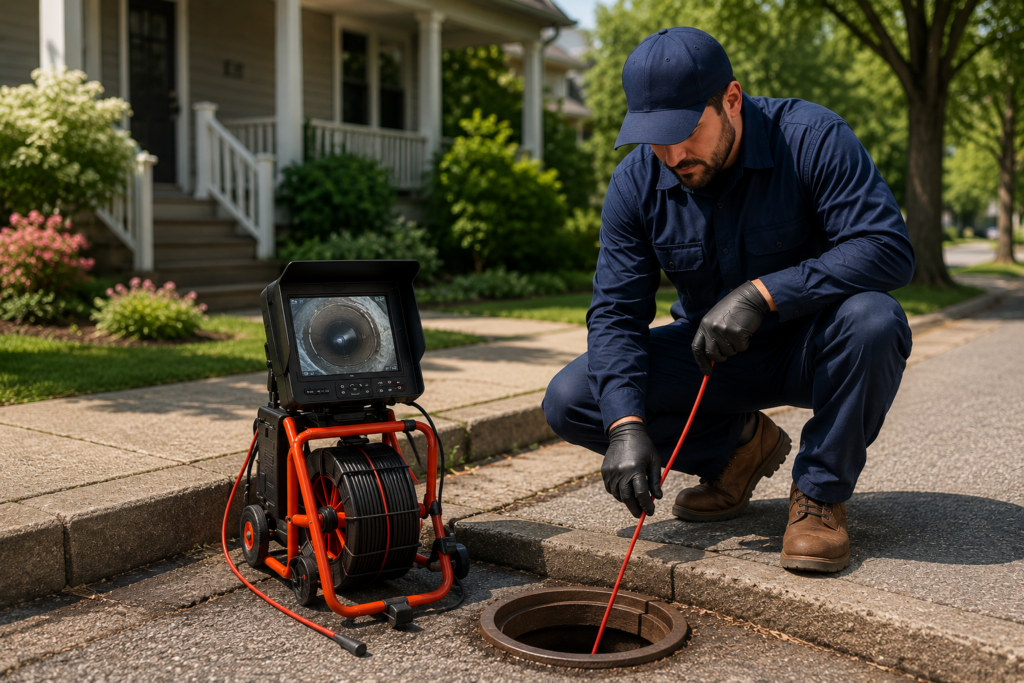
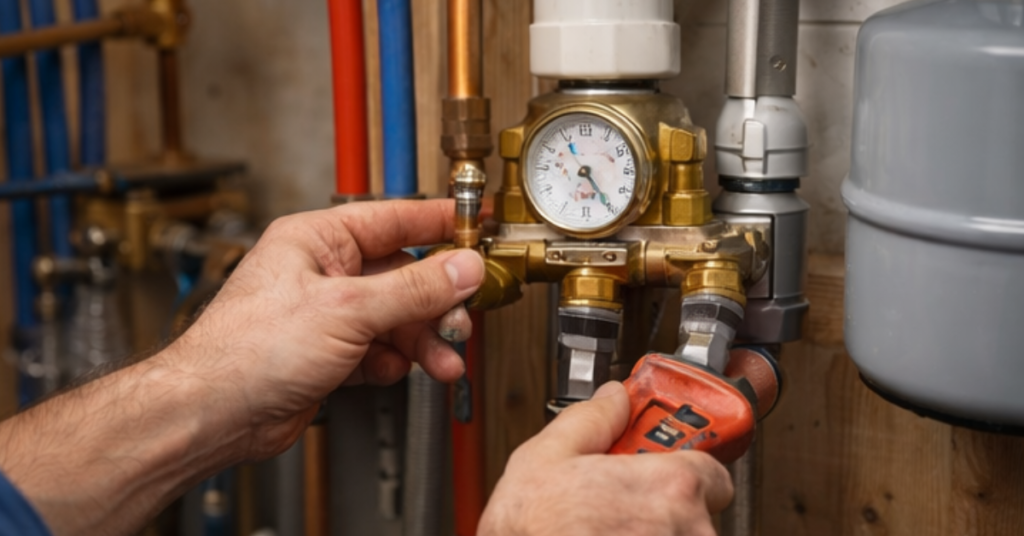
A burst pipe is one of the most stressful plumbing emergencies a homeowner can face. In a matter of minutes, water can flood your home, damage floors and walls, and lead to costly repairs. If you live in Portland, where seasonal temperature shifts and aging infrastructure can increase the risk, knowing exactly what to do in the first 10 minutes is critical.
This guide walks you through immediate, practical steps to protect your home, reduce water damage, and regain control of the situation before professional help arrives. If you are dealing with a plumbing emergency in Portland, professional assistance is essential. Reach out to Einstein Pros Plumbing Portland for expert service and peace of mind:
https://einsteinprosportland.com
Why Pipes Burst in Portland Homes
Before jumping into the steps, it helps to understand why burst pipes happen. Common causes include:
- Freezing temperatures causing water expansion inside pipes
- Corrosion in older plumbing systems
- High water pressure stressing pipe joints
- Tree root intrusion in underground lines
According to the Federal Emergency Management Agency, water damage is one of the most common and costly home disasters in the United States. Acting quickly can significantly reduce long-term damage and repair costs.
The First 10 Minutes: Step-by-Step Emergency Actions
1. Shut Off the Main Water Supply Immediately
The most important step is to stop the flow of water.
Locate your home’s main water shut-off valve and turn it off right away. In most Portland homes, this valve is typically found:
- In the basement
- Near the water heater
- Outside near the foundation
Turning off the water supply prevents additional flooding and limits structural damage.
2. Turn Off Electricity in Affected Areas
If water is near electrical outlets, appliances, or your breaker panel, shut off electricity to that area immediately.
Water and electricity are a dangerous combination. If you cannot safely access your breaker box, leave the area and wait for professionals.
3. Drain Remaining Water from Pipes
After shutting off the main valve:
- Turn on all cold water faucets
- Flush toilets
- Open outdoor spigots
This helps relieve pressure in the system and drains remaining water, reducing further leakage.
4. Identify the Source of the Burst
If it is safe to do so, locate the damaged pipe. Common signs include:
- Visible cracks or splits
- Water pooling in ceilings or floors
- Unusual sounds like hissing or dripping
Identifying the source can help you apply a temporary fix and explain the issue clearly when calling a professional.
5. Apply a Temporary Fix
Temporary fixes can help slow water leakage until a plumber arrives. Some quick options include:
- Wrapping the pipe with rubber and securing it with clamps
- Using plumber’s tape or epoxy putty
- Placing a bucket under the leak
These are not permanent solutions, but they can reduce immediate damage.
6. Start Removing Standing Water
The longer water sits, the more damage it causes. Begin removing water using:
- Towels and mops
- Wet/dry vacuum
- Buckets
According to the American Red Cross, quick water removal helps prevent mold growth and structural damage.
7. Move Valuables and Furniture
Protect your belongings by moving them away from the affected area. Focus on:
- Electronics
- Important documents
- Upholstered furniture
- Rugs and carpets
If items cannot be moved, elevate them using blocks or plastic containers.
8. Increase Airflow to Reduce Moisture
Ventilation helps slow mold growth and speeds up drying.
- Open windows if weather permits
- Turn on fans
- Use dehumidifiers if available
The Environmental Protection Agency emphasizes that moisture control is key to preventing mold after water damage.
9. Document the Damage
Take photos and videos of the affected areas before cleanup progresses too far. This documentation is important for:
- Insurance claims
- Repair estimates
- Future reference
Make sure to capture both wide shots and close-ups.
10. Contact a Professional Plumber Immediately
Once the situation is stabilized, it is essential to get expert help. A licensed professional can:
- Repair or replace the damaged pipe
- Inspect for hidden leaks
- Ensure your system is safe and fully operational
For fast and reliable help, contact Einstein Pros Plumbing Portland:
https://einsteinprosportland.com
Preventing Future Burst Pipes
Once the emergency is resolved, take steps to prevent it from happening again:
- Insulate exposed pipes, especially in colder areas
- Schedule regular plumbing inspections
- Monitor water pressure levels
- Replace old or corroded pipes
Preventative maintenance can save thousands in potential repairs.
Final Thoughts
A burst pipe can escalate quickly, but knowing what to do in the first 10 minutes makes a significant difference. Acting fast helps protect your home, minimize repair costs, and reduce stress during an already difficult situation.
If you are dealing with a plumbing emergency in Portland, professional assistance is essential. Reach out to Einstein Pros Plumbing Portland for expert service and peace of mind:
https://einsteinprosportland.com
Sources
Federal Emergency Management Agency (FEMA): https://www.fema.gov
American Red Cross Emergency Preparedness: https://www.redcross.org
Environmental Protection Agency WaterSense: https://www.epa.gov/watersense