
Sewer line problems are among the most disruptive and expensive plumbing issues a homeowner in Portland can face. Because the sewer line runs underground between your home and the municipal system, damage often goes unnoticed until symptoms become severe. Understanding how sewer lines work, what causes them to fail, and how repairs are handled can help homeowners act early and avoid costly structural damage.
This guide explains the key warning signs, common causes of sewer line issues in Portland homes, modern repair options, and prevention strategies every homeowner should know.
For professional inspection and repair services, Portland residents can learn more at https://einsteinprosportland.com.
Why Sewer Line Health Matters
Your sewer line is responsible for carrying wastewater away from your home. When it is functioning properly, you rarely think about it. However, when it becomes clogged, cracked, or collapsed, the consequences can escalate quickly into property damage, health hazards, and expensive repairs.
According to the U.S. Environmental Protection Agency, wastewater infrastructure plays a critical role in protecting public health and the environment by safely transporting and treating sewage before it returns to natural waterways.
Source: https://www.epa.gov/waterdata
In older cities like Portland, sewer systems often face additional strain due to aging infrastructure, tree root intrusion, and shifting soil conditions caused by seasonal rainfall.
Common Signs of Sewer Line Problems
Early detection is key. Most sewer line issues show warning signs before a full failure occurs. Homeowners should pay attention to the following symptoms:
1. Frequent Drain Backups
If multiple drains in your home are backing up at the same time, the issue is likely in the main sewer line rather than a single fixture.
2. Slow Draining Throughout the Home
Slow drainage in sinks, showers, and toilets often indicates a partial blockage deeper in the system.
3. Unpleasant Odors
Persistent sewage smells coming from drains or the yard may indicate a cracked or leaking sewer pipe.
4. Soggy or Sunken Yard Areas
A broken sewer line can release wastewater underground, creating unusually wet or sinking patches in your yard.
5. Gurgling Sounds
Air trapped in damaged sewer lines may cause unusual gurgling noises in toilets or drains.
These symptoms should never be ignored, as minor issues can quickly develop into full pipe failure.
Common Causes of Sewer Line Damage in Portland
Portland’s environment contributes to several unique sewer line challenges:
Tree Root Intrusion
Tree roots naturally seek moisture and can enter small cracks in sewer pipes. Over time, they expand and block or break the line entirely.
Aging Clay or Cast Iron Pipes
Many older homes still rely on outdated materials like clay or cast iron, which deteriorate over decades.
Soil Movement and Heavy Rainfall
Frequent rain and shifting soil conditions in the Pacific Northwest can cause pipes to shift, crack, or collapse.
Grease and Debris Build-Up
Cooking grease, wipes, and debris can accumulate and restrict flow, increasing pressure on the line.
The U.S. Geological Survey notes that soil saturation and shifting ground conditions significantly impact underground infrastructure stability in wetter climates.
Source: https://www.usgs.gov
Sewer Line Repair Options
Modern plumbing technology allows for multiple approaches to sewer line repair. The right method depends on the extent and location of the damage.
Traditional Excavation Repair
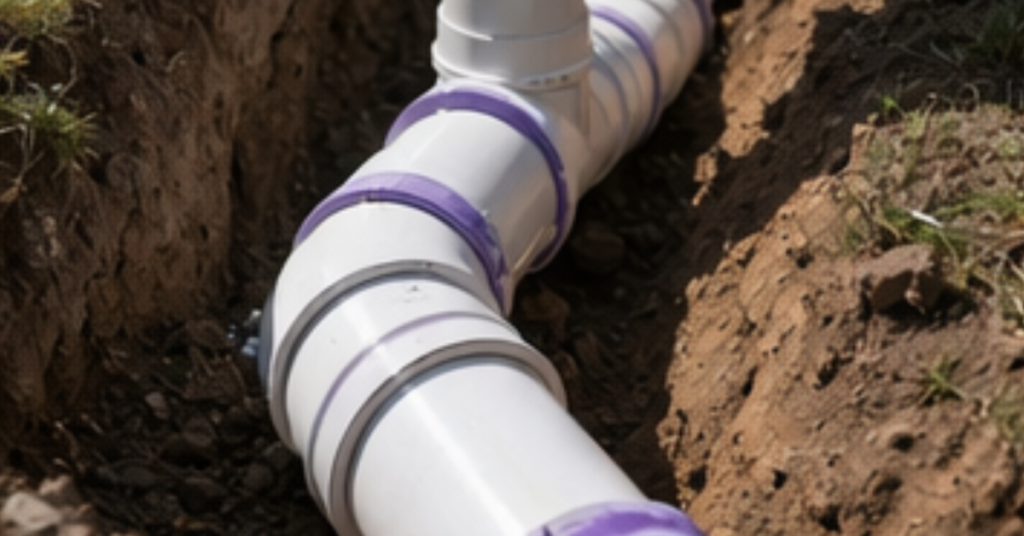
This method involves digging a trench to expose and replace the damaged pipe. While effective, it is more invasive and can disrupt landscaping and driveways.
Trenchless Sewer Repair
Trenchless methods are increasingly popular because they minimize digging. Two common techniques include:
- Pipe bursting: Replacing the old pipe by breaking it apart and pulling a new one through
- Pipe lining: Inserting a resin-coated liner that hardens inside the existing pipe
These methods reduce property disruption and often speed up repair time significantly.
Sewer Camera Inspection
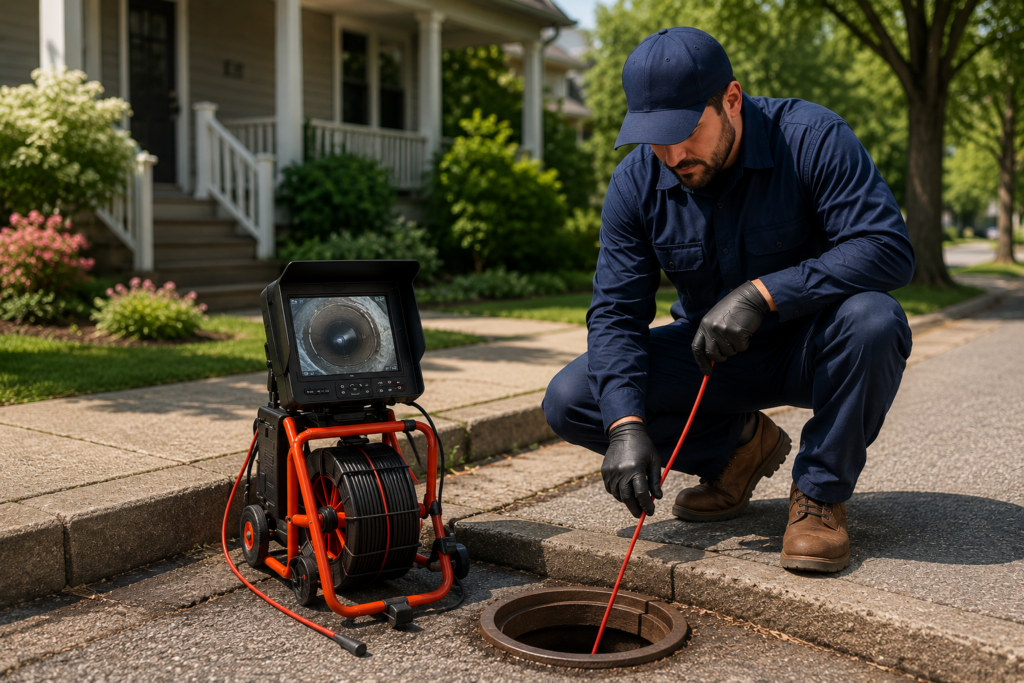
Before any repair, a video inspection is typically performed. A waterproof camera is inserted into the sewer line to identify blockages, cracks, or collapse points with precision.
How to Prevent Sewer Line Problems
While not all sewer issues are preventable, homeowners can significantly reduce risk by adopting good maintenance habits:
- Avoid flushing wipes, feminine hygiene products, or paper towels
- Dispose of cooking grease in the trash, not the sink
- Schedule periodic drain cleaning and inspections
- Monitor tree growth near sewer lines
- Address slow drains early before they worsen
The EPA’s WaterSense program also emphasizes water-efficient and responsible usage practices that reduce strain on plumbing systems.
Source: https://www.epa.gov/watersense
When to Call a Professional
Sewer line issues are not suitable for DIY repair due to their underground location and complexity. Homeowners should seek professional inspection if:
- Multiple drains are backing up
- Sewage odors are present indoors or outdoors
- Water is pooling in unusual yard locations
- Recurring clogs happen despite repeated clearing
Early intervention can prevent more extensive damage and reduce overall repair costs.
To schedule an inspection or learn more about sewer line services in Portland, visit https://einsteinprosportland.com.
Final Thoughts
Sewer line problems can escalate quickly, but understanding the warning signs and causes gives homeowners a major advantage. In Portland’s unique climate and soil conditions, proactive maintenance and timely inspections are essential.
Whether the issue is aging pipes, tree roots, or shifting ground, modern diagnostic tools and trenchless repair methods make it easier than ever to restore your system efficiently while minimizing disruption.