
Hard water is one of those plumbing topics that often causes confusion for homeowners—especially in cities like Portland, Oregon, where water quality is generally considered high. The short answer is: Portland water is mostly soft, but depending on your water source and plumbing system, some households may still experience mild hard water effects.
Understanding what’s in your water is important because even slightly elevated mineral levels can impact your pipes, fixtures, appliances, and overall home comfort over time.
What Is Hard Water?
Hard water is water that contains higher levels of dissolved minerals, primarily calcium and magnesium. These minerals are naturally absorbed as water moves through soil and rock formations.
While hard water is not dangerous to drink, it can create long-term plumbing issues such as scale buildup, reduced appliance efficiency, and visible residue on fixtures.
Is Portland Water Hard or Soft?
Portland’s main water supply comes from the Bull Run Watershed, which produces very soft water with extremely low mineral content. According to official city water reports, Bull Run water typically measures around 3–11 ppm hardness, which is considered soft.
However, Portland also uses groundwater sources in some areas, and those can be moderately harder—around 80 ppm depending on location and infrastructure.
In general:
- Bull Run supply = very soft water
- Groundwater areas = slightly harder but still mild
- Overall city average = soft water by national standards
This means most Portland homeowners do not experience severe hard water issues, but localized plumbing conditions can still cause mineral buildup over time.
Sources:
https://www.portland.gov/water/drinking-water-quality/about-drinking-water-quality/2024-drinking-water-quality-report
https://www.portland.gov/water/70825
https://www.homewater.com/blog/is-portland-water-quality-as-good-as-it-seems
Signs You Might Have Hard Water in Your Home
Even in a soft-water city, some homes still show symptoms that resemble hard water problems. This is often due to aging pipes, mixed water sources, or localized mineral content.
1. White spots or scale on fixtures
Mineral residue can build up around faucets and showerheads.
2. Soap that doesn’t lather well
Harder water reduces soap efficiency, leaving more residue behind.
3. Dry skin or dull hair after showering
Minerals can interfere with how soap and shampoo rinse away.
4. Reduced water pressure
Scale buildup inside pipes may slowly restrict water flow.
5. Water heater inefficiency
Sediment accumulation can reduce heating performance and increase energy use.
Even mild mineral content over time can create these issues if plumbing is older or not maintained regularly.
Source:
https://www.einsteinpros.com/hard-water-portland/
https://www.modernplumbingpdx.com/hard-water-damage-portland/
Why Hard Water Effects Still Happen in Portland
Even though Portland water is considered soft, homeowners may still experience hard-water-like symptoms due to:
- Older galvanized or corroded pipes
- Mixed water sources in certain neighborhoods
- Sediment from plumbing infrastructure
- Water heater mineral buildup over time
In many cases, what looks like “hard water” is actually a plumbing system issue rather than the water supply itself.
Solutions for Managing Mineral Buildup
If you’re noticing signs of mineral scaling or plumbing inefficiency, there are several effective ways to manage it without overcomplicating your system.
1. Regular plumbing maintenance
Flushing water heaters and cleaning faucet aerators can help reduce sediment buildup.
2. Fixture cleaning
Removing limescale deposits from showerheads and faucets helps maintain flow and appearance.
3. Pipe inspections
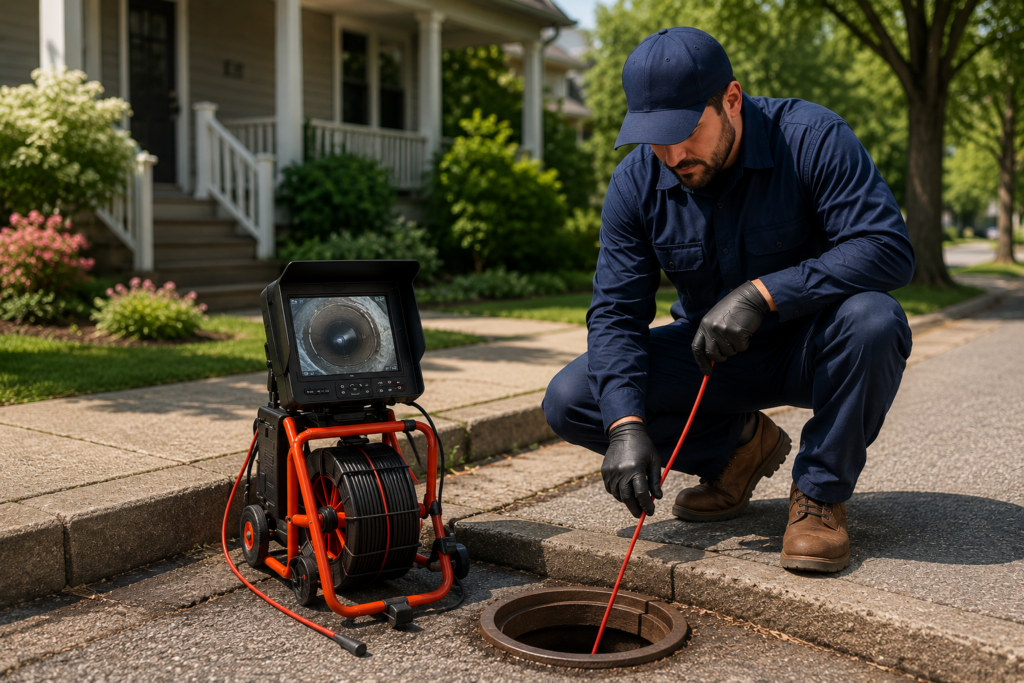
Older homes may benefit from professional plumbing evaluations to check for internal buildup or corrosion.
4. Water testing
Testing your water can help determine whether the issue is supply-related or plumbing-related.
Source:
https://www.einsteinpros.com/hard-water-central-oregon-2/
https://www.epa.gov/watersense
When to Call a Professional
If you’re dealing with repeated clogs, frequent appliance issues, or ongoing scale buildup, it may be time to have your plumbing system evaluated. These symptoms can indicate long-term mineral accumulation or aging infrastructure that needs attention.
For homeowners in Portland looking for help with water quality concerns or plumbing system issues, you can learn more here:
https://einsteinprosportland.com
Final Thoughts
So, is hard water a major problem in Portland? Not generally. Portland’s water supply is among the softer municipal systems in the U.S., especially when sourced from Bull Run. However, plumbing age, groundwater use in certain areas, and household systems can still create localized hard water symptoms.
The key is not just understanding water hardness—but also maintaining your plumbing system so it performs efficiently regardless of minor mineral content.
Sources & References
https://www.portland.gov/water/drinking-water-quality/about-drinking-water-quality/2024-drinking-water-quality-report
https://www.portland.gov/water/70825
https://www.modernplumbingpdx.com/hard-water-damage-portland/
https://www.epa.gov/watersense