
Spring in Portland brings longer days, rising temperatures, and—often overlooked—new risks for your home’s plumbing system. After months of cold weather, heavy rain, and fluctuating temperatures, your pipes, fixtures, and drainage systems may be under stress. Small issues that developed during winter can quickly turn into expensive repairs if not addressed early.
This comprehensive spring plumbing checklist will help you stay ahead of problems, improve efficiency, and protect your home. If you uncover anything concerning, it’s always best to consult a licensed professional like Einstein Pros Portlandfor expert inspection and repair: https://einsteinprosportland.com
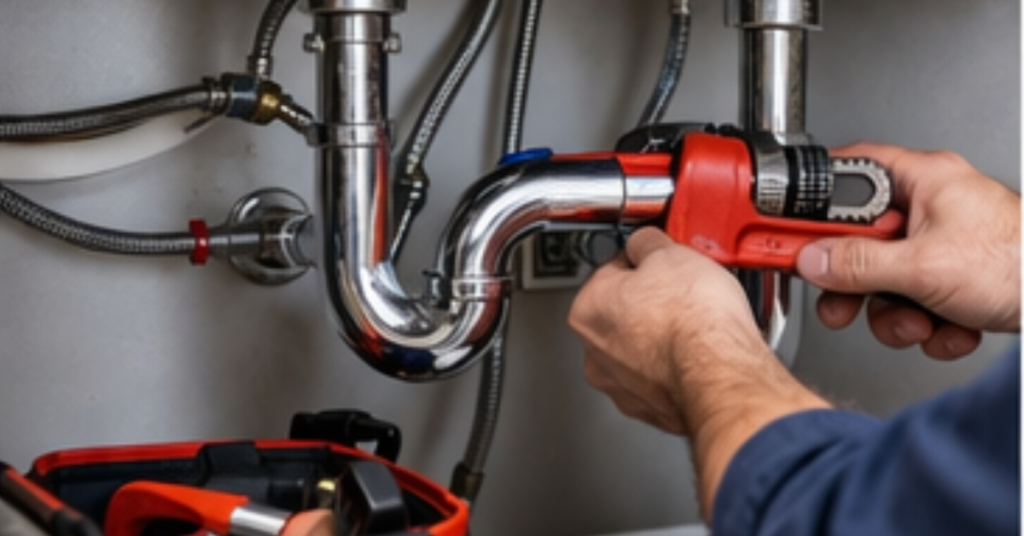
1. Inspect for Leaks and Hidden Water Damage
Winter conditions can weaken pipe joints and seals. As temperatures rise, these vulnerabilities often reveal themselves through leaks.
Check:
- Under sinks and cabinets
- Around toilets and bathtubs
- Basement or crawl spaces
- Exterior hose bibs
Even a small leak can waste significant water and lead to mold growth or structural damage. According to the EPA, household leaks can waste nearly 10,000 gallons of water annually if left untreated (https://www.epa.gov/watersense/fix-leak-week).
2. Test Water Pressure
Low or inconsistent water pressure can indicate underlying plumbing issues such as pipe corrosion, sediment buildup, or hidden leaks.
To test:
- Turn on multiple fixtures simultaneously
- Observe pressure drops
- Use a pressure gauge if available
Normal residential water pressure typically ranges between 40–60 psi. If your system falls outside this range, it may require professional evaluation.
3. Flush and Inspect Your Water Heater
Your water heater works harder during colder months, leading to sediment buildup that reduces efficiency and shortens its lifespan.
Spring maintenance steps:
- Drain and flush the tank
- Check for rust or corrosion
- Inspect the pressure relief valve
- Listen for unusual noises
The U.S. Department of Energy recommends regular maintenance to improve efficiency and extend equipment life (https://www.energy.gov/energysaver/water-heating).
4. Examine Outdoor Plumbing and Hose Bibs
Freezing temperatures can cause outdoor faucets and pipes to crack, even if damage isn’t immediately visible.
Inspect:
- Hose bibs for leaks when turned on
- Garden hoses for cracks or weak spots
- Exterior pipes for signs of splitting
Turn on outdoor water slowly and watch for drips or reduced flow, which may indicate internal damage.
5. Clean and Clear Drains
Spring is a good time to remove buildup that accumulated over winter months. Kitchen grease, soap scum, and debris can clog pipes and lead to backups.
Preventative steps:
- Flush drains with hot water
- Use safe, non-corrosive cleaning solutions
- Remove visible debris from drain openings
Avoid chemical drain cleaners, as they can damage pipes over time. Regular maintenance helps reduce the risk of major blockages.
6. Check Toilets for Efficiency and Leaks
Toilets are one of the most common sources of hidden water waste.
Quick tests:
- Add food coloring to the tank and wait 10 minutes—if color appears in the bowl, there’s a leak
- Listen for continuous running water
- Inspect seals and flappers
Fixing a leaking toilet can save hundreds of gallons of water per month, improving both efficiency and utility costs.
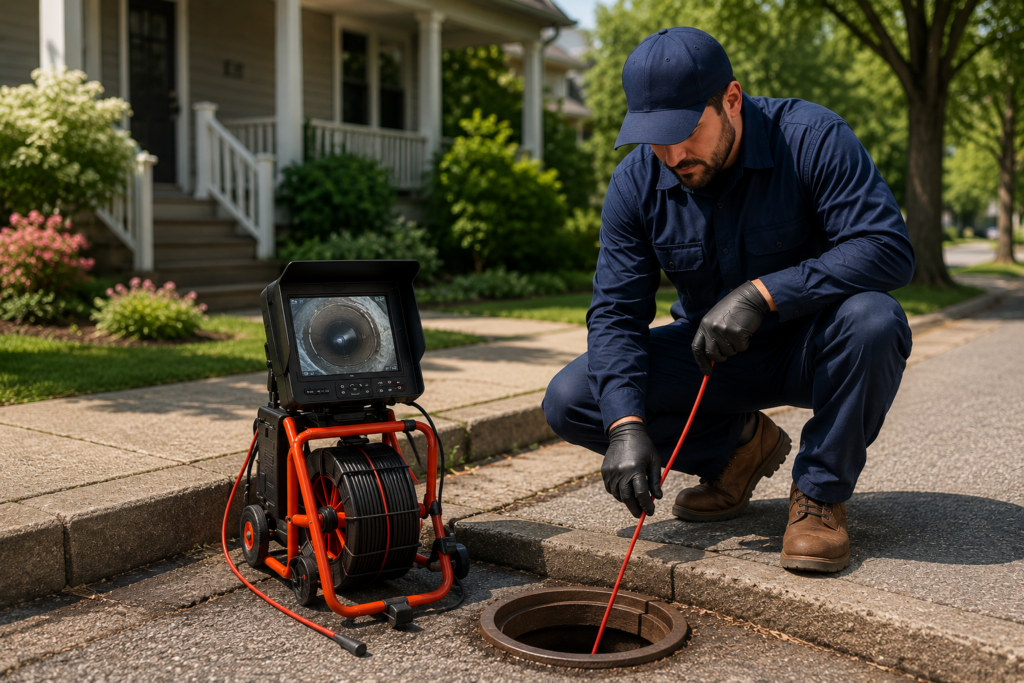
7. Inspect Sewer Lines and Watch for Warning Signs
Spring rains in Portland can put extra pressure on sewer systems, increasing the risk of backups.
Look for:
- Slow drains throughout the home
- Gurgling sounds from pipes
- Sewage odors
- Water pooling in the yard
Tree root intrusion is a common issue in older neighborhoods. Early detection can prevent costly excavation and repairs.
8. Test Your Sump Pump
If your home has a sump pump, spring is the most critical time to ensure it’s working properly due to increased rainfall.
Test it by:
- Pouring water into the sump pit
- Confirming the pump activates and drains properly
A malfunctioning sump pump can lead to basement flooding and extensive property damage.
9. Evaluate Water Quality
Changes in water clarity, taste, or odor may signal underlying plumbing or municipal issues.
Watch for:
- Cloudy or discolored water
- Metallic or unusual tastes
- Sediment in fixtures
The U.S. Geological Survey provides guidance on understanding water quality and common issues (https://www.usgs.gov/special-topics/water-science-school).
10. Schedule a Professional Plumbing Inspection
Even with a thorough checklist, some issues require a trained eye. A professional inspection ensures your entire system is functioning efficiently and safely.
A licensed plumber can:
- Detect hidden leaks
- Inspect pipe integrity
- Evaluate system efficiency
- Recommend preventative upgrades
For Portland homeowners, scheduling a spring inspection with Einstein Pros Portland is one of the most effective ways to avoid unexpected repairs later in the year: https://einsteinprosportland.com
Why Spring Plumbing Maintenance Matters
Preventative maintenance is significantly more affordable than emergency repairs. Industry data shows that proactive home maintenance can reduce repair costs by up to 30% annually (https://www.nachi.org/home-maintenance-tips.htm).
In a climate like Portland’s—where moisture, rain, and seasonal temperature changes are constant—routine plumbing care is essential. Addressing small issues now helps you avoid:
- Water damage
- Mold growth
- High utility bills
- Emergency plumbing situations
Final Thoughts
Spring is the ideal time to reset and protect your home’s plumbing system. By following this checklist, you can catch minor issues early, improve efficiency, and extend the lifespan of your fixtures and appliances.
If you want peace of mind heading into the warmer months, consider a full system evaluation from Einstein Pros Portland. Their expertise ensures your plumbing is ready for the demands of the season.
Sources
https://www.epa.gov/watersense/fix-leak-week
https://www.energy.gov/energysaver/water-heating
https://www.usgs.gov/special-topics/water-science-school
https://www.nachi.org/home-maintenance-tips.htm